Start with the drink, then the glass shape
Wineries, tasting rooms and event teams often start with the logo, yet the shape of the glass matters just as much. A straight-sided tumbler reads differently from a stemmed wine glass, and a gin balloon pushes the artwork into a larger viewing area. Water glasses, carafes and small tasting glasses each bring their own limits for print area, finish and handling.
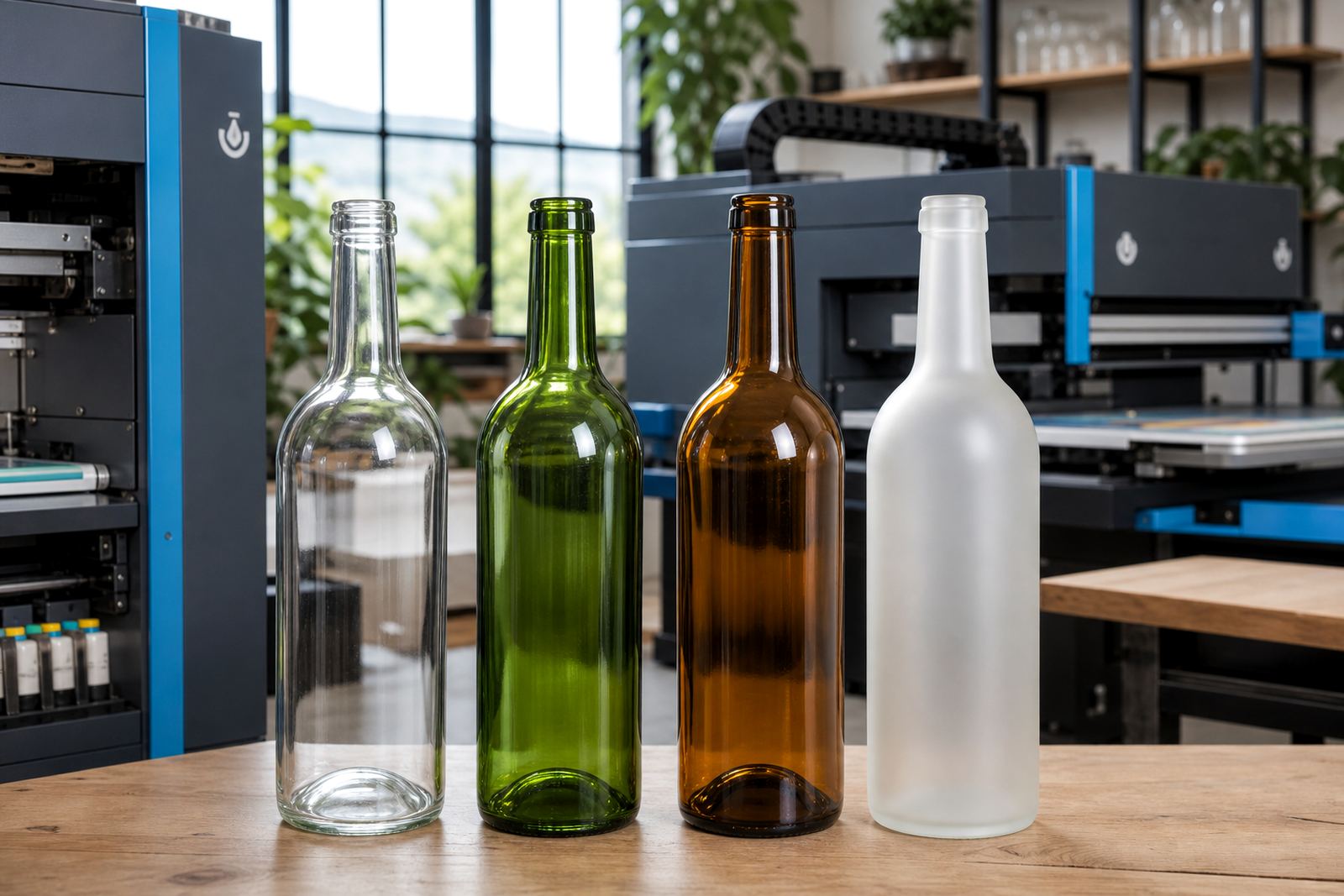
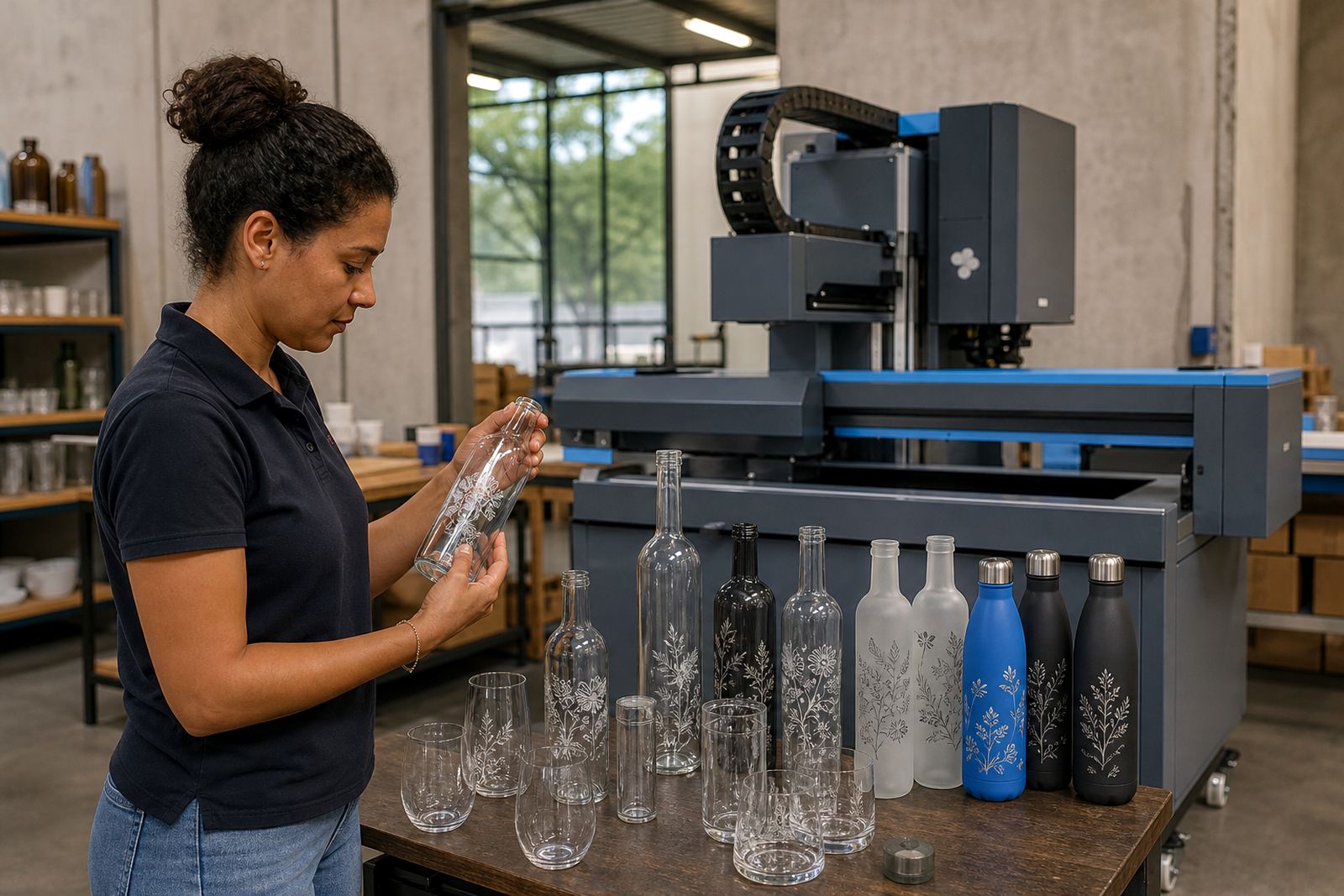
For short runs, it helps to match the vessel to the service style first. A white wine glass with a slim bowl gives less room for large artwork than a stemless tumbler. Clear glass shows fine detail well, while frosted or coloured drinkware changes the way ink, labels and enamel read under light. In busy hospitality spaces, the shape should also support stacking, washing and safe handling by staff.
Decoration methods used on glass and drinkware
Different decoration methods suit different vessel types. UV direct print works well for crisp colour on selected glass and drinkware surfaces, especially where short runs need artwork with strong detail. Screen printing suits repeat logos, bold text and flatter print areas. Ceramic enamel is useful where a fired finish is needed for durability on suitable glassware. Labels allow more flexibility for complex artwork, variable details and limited run quantities.
Each method asks for its own setup. Glass curves, rim height and panel size affect what can be printed cleanly. White ink layers may be needed on dark glass or tinted drinkware so the artwork does not sink into the surface. With labels, adhesion and edge placement matter, especially on bottles and glasses that will be handled often or packed for events.
- Clear glass shows fine lines and small type more clearly.
- Tinted or smoked glass may need white ink under artwork.
- Round surfaces need careful print area planning.
- Labels suit variable artwork and smaller quantities.
- Fired ceramic enamel is suited to selected washable items.
Handling matters in busy service spaces
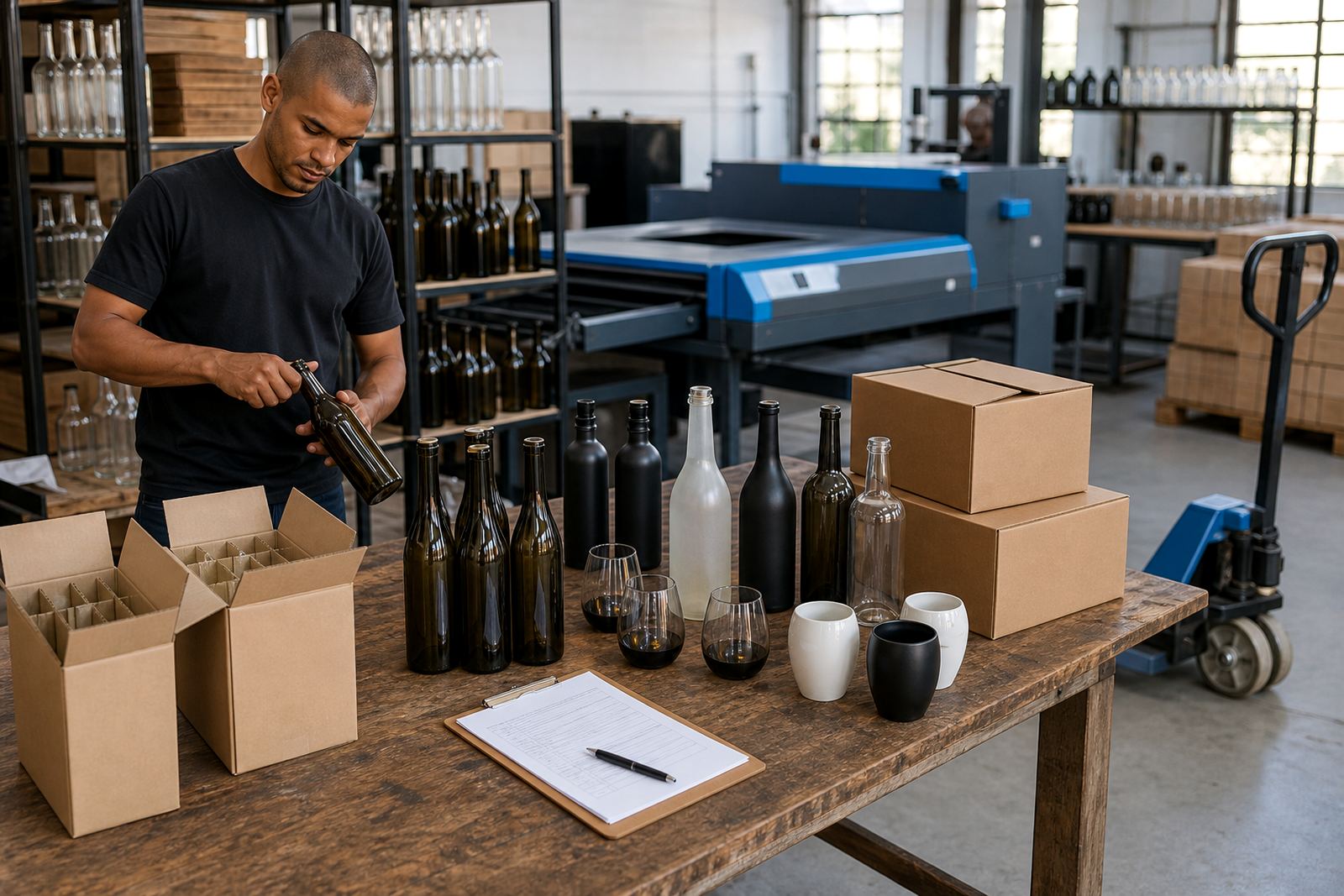
Hospitality glassware gets moved, washed, stacked and packed again. That means the choice is not only about appearance. A wide bowl can feel elegant on a tasting table but take more space in storage. A narrow neck may protect a label area, yet it can also make packing tighter. For front of house use, the grip and balance of the vessel shape matter, especially where staff move quickly between tables, counters and service points.
Where glassware travels to tastings, launches or gifting drops, packing brief details should be clear. Foam spacing, carton strength and sleeve choices all influence breakage risk. A printed glass that looks fine on a proof may still need a different placement if the curve is too tight near the base or the rim. The right setup leaves room for handling without pushing artwork into awkward spots.
Artwork proofing before a run
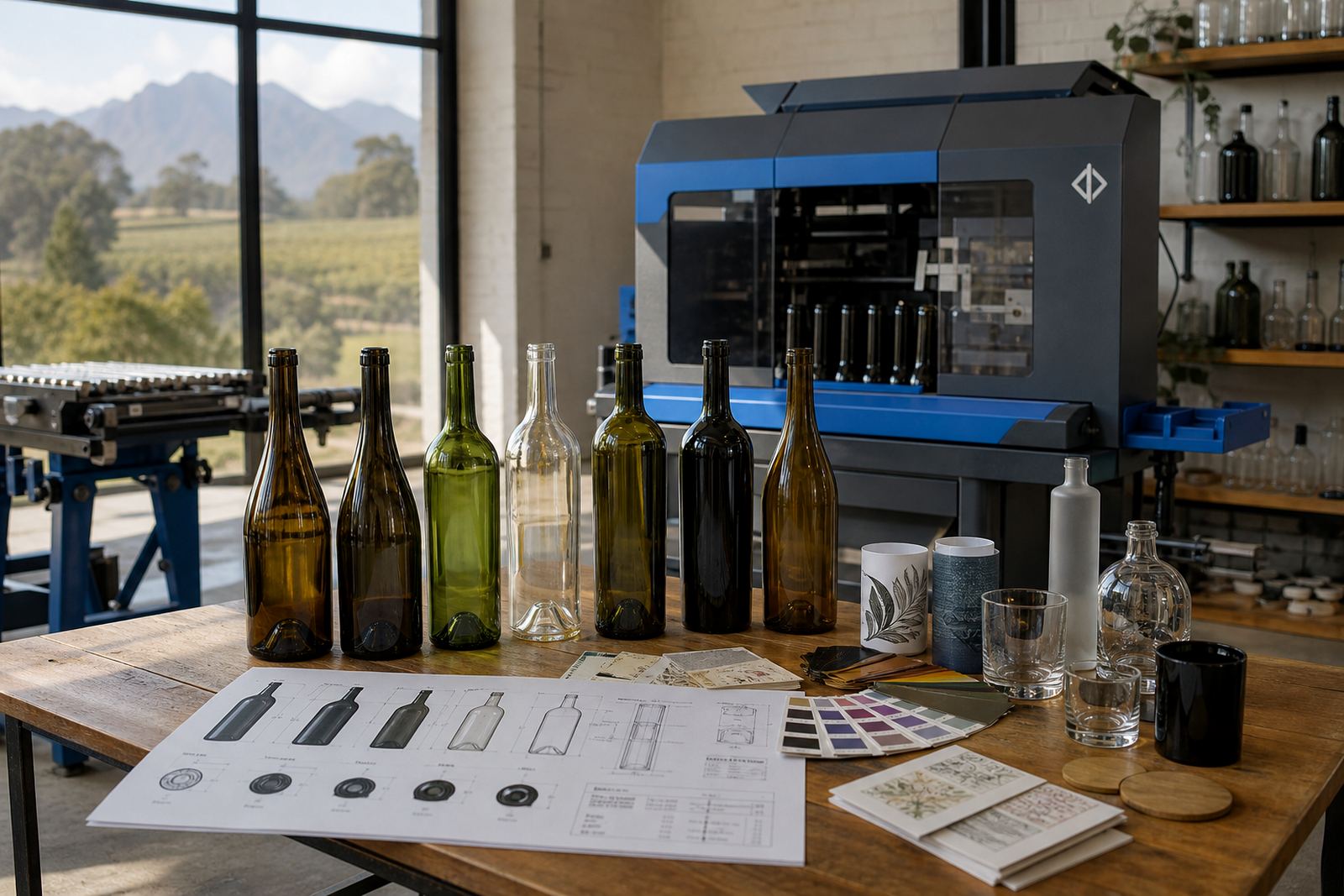
Proofs are not a formality. They show how the artwork sits on the actual vessel, where the logo lands, and whether the type remains legible once it meets a curve. For hospitality orders, a proof can also show colour shifts, white ink layers, label wrap points and any margin that protects the design from the rim or the base.
Artwork checks should cover logo size, font weight, line thickness and any small text that will be hard to read from a distance. If the bottle or glass has a seam, shoulder or taper, that needs to be marked before production. Mock-up visuals help with sign-off, while proof approvals keep everyone looking at the same layout before the run moves ahead.
- Check logo size against the actual print area.
- Confirm text legibility on curved surfaces.
- Mark seam lines, shoulders and base curves.
- Review colour guidance for clear or tinted glass.
- Approve the proof before print setup begins.
Minimum runs and short-run planning
Short runs are often the best fit for tasting events, seasonal gifting and smaller venue refreshes. Minimum run advice depends on the method, the vessel type and the number of artwork positions. A single logo on one side is simpler than a full wrap or multi-colour layout. Some jobs also need separate print setups for wine bottles, gin bottles, water bottles and drinkware, which changes the run balance.
When planning quantities, it helps to group items by use. A front bar range may need one layout, while a corporate gifting pack might use another. If the same artwork must appear on mixed vessel types, print area planning becomes important early on. That keeps the final result tidy and avoids pushing the design too close to curves, handles or necks.
What to send for a useful quote brief
A well-set-out brief cuts delays and reduces assumptions. The most useful details are the vessel type, the quantity per item, the decoration method you prefer, and the artwork format you already have. If the design is still being shaped, note the text, logo use and any colour requirements. For hospitality work, it also helps to mention whether the glassware is for service, gifting or an event drop.
At Bottle Printing Co. in Paarl, the team handles artwork checks, print area planning, colour guidance, white ink layers, proof approvals, mock-up visuals, label artwork setup, UV print prep, screen print prep, ceramic enamel prep, minimum run advice and packing briefs. Deliveries go to Cape Town, Stellenbosch, Franschhoek, Johannesburg, Durban, Somerset West and Constantia, with South African shipping arranged from the Cape Winelands base.
- List the bottle or glass type clearly.
- State the quantity needed for each item.
- Share the logo files and wording you want used.
- Note whether the run is for service, gifting or an event.
- Include any colour or finish preferences.
Storage and service checks before the goods move out
Good hospitality glassware still needs the right storage plan. Printed items should be kept where carton pressure will not rub the surface, and where temperature swings are limited. In coastal areas, humid storage can affect labels and packing materials if the stock is left open too long. Glassware should also be checked for fit with existing shelving, rinse areas and back-of-house packing space.
Before a run leaves the production floor, service teams should think about where the item will live after delivery. Stacking, display, transport and wash cycles all influence the decoration choice. A short run for a launch may favour a different finish from a range that will be used every day in a tasting room. The right glass is the one that looks good, feels steady in the hand and stores without fuss.