What ceramic enamel actually does on glass
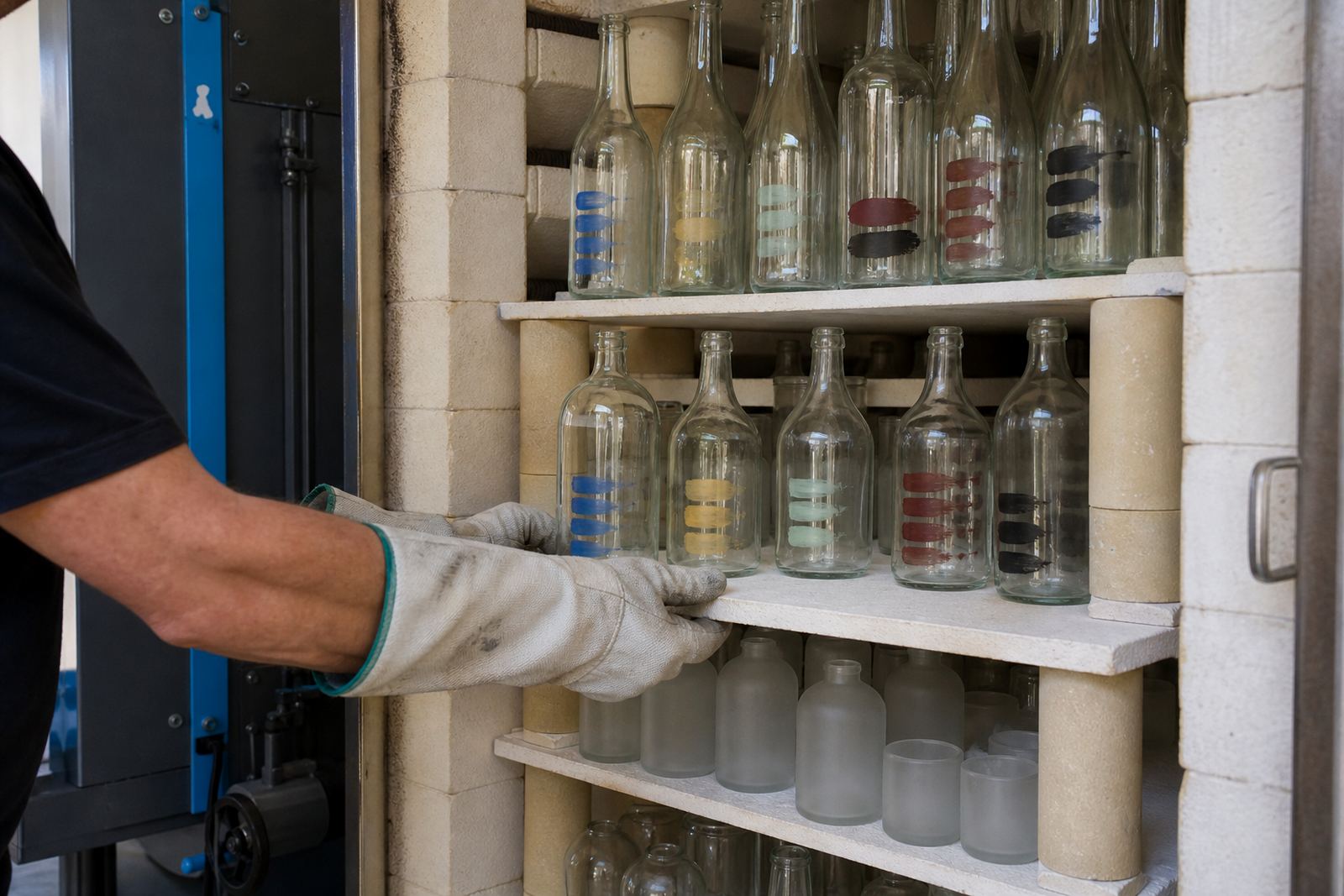
Ceramic enamel is a glass decoration method that uses specialised enamel inks or frits, then cures them with heat so the mark bonds to the surface. On the right bottle or tumbler, that gives a finish that sits neatly on the glass instead of feeling like a loose sticker or a fragile surface print. It suits premium wine bottles, gin bottles, water bottles and selected drinkware where the branding needs to hold up during packing, chilling and serving.
The method is not the right answer for every shape or every brand colour. Smooth glass with steady wall thickness gives the cleanest result, while curves, shoulders and embossing can shift how a mark reads once it is fired. That is why artwork checks and print area planning matter before a run is approved.
Glass shapes that take a fired finish well
Ceramic enamel works best when the bottle or glass has enough uninterrupted surface for the artwork to sit flat and legible. A narrow neck, deep punt or heavy embossing can limit the available print space, especially on small runs where every millimetre counts. For wineries and distilleries in Paarl, Stellenbosch and Franschhoek, the usual requests are still straightforward: straight-sided bottles, rounded wine bottles, gin bottles with a clean front panel, and tasting glasses with a calm print zone.
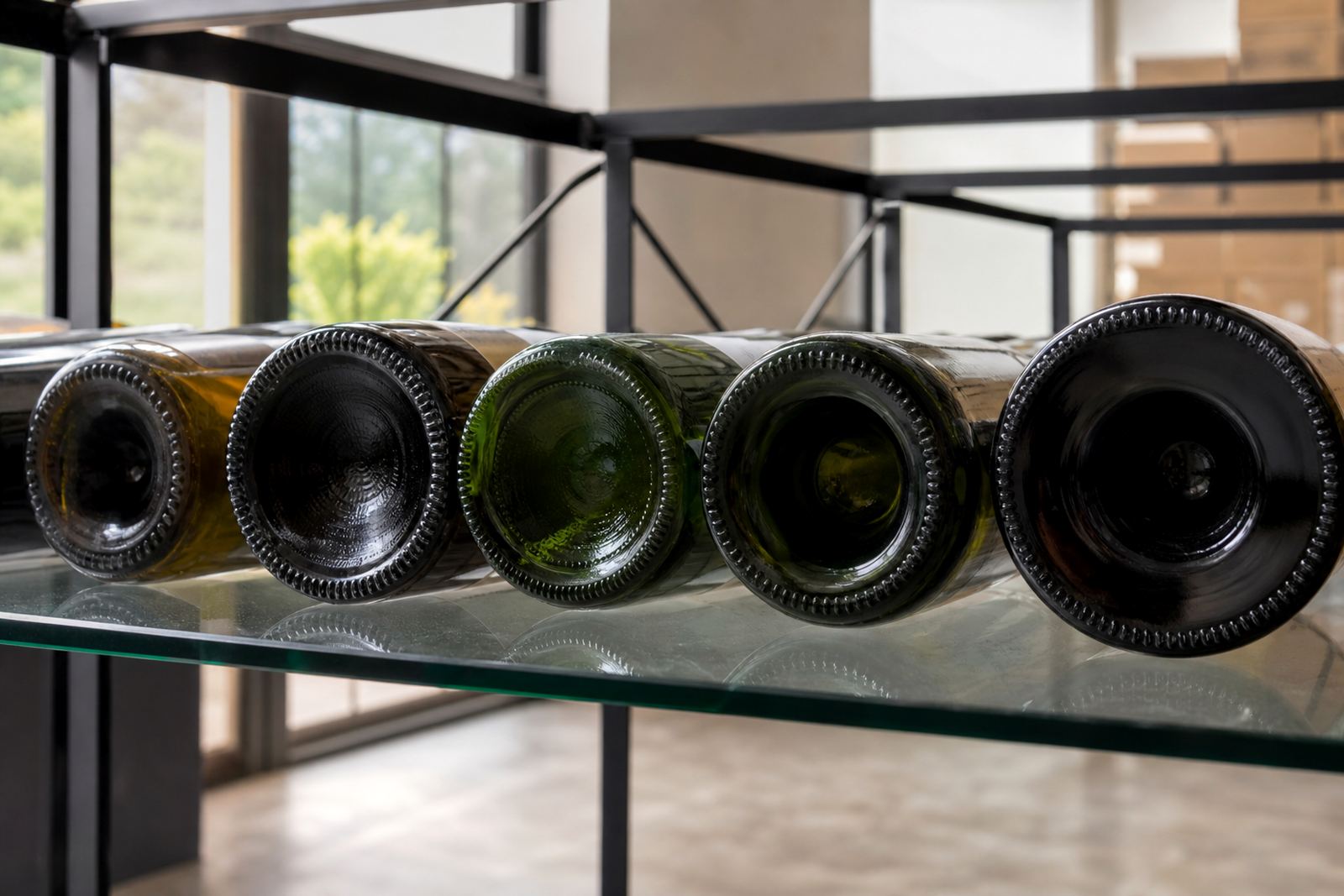
- Clear wine bottles for cellar door releases and gifting packs
- Gin bottles with front and back panels that stay visible on the shelf
- Water bottles for tastings, conference packs and guest room use
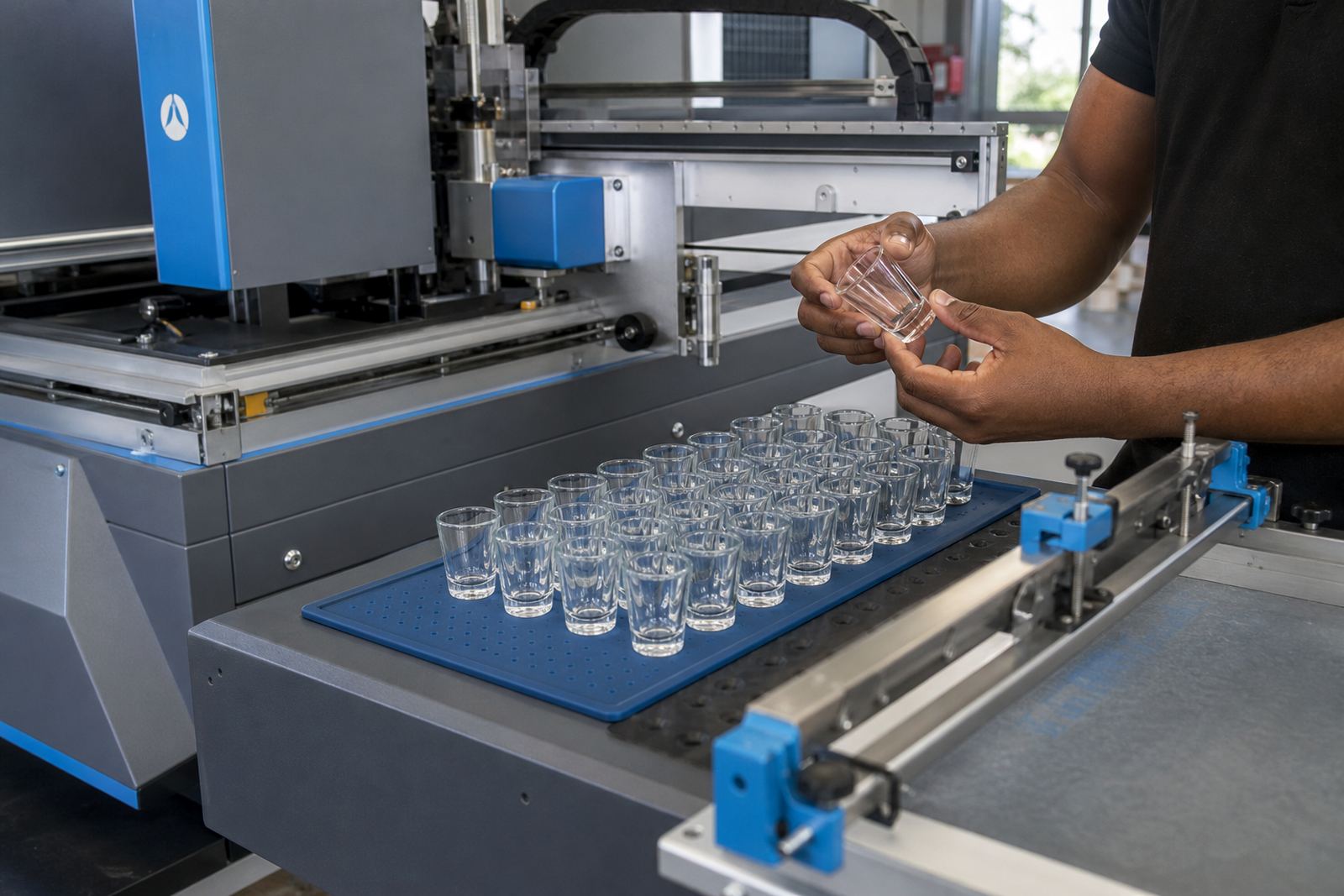
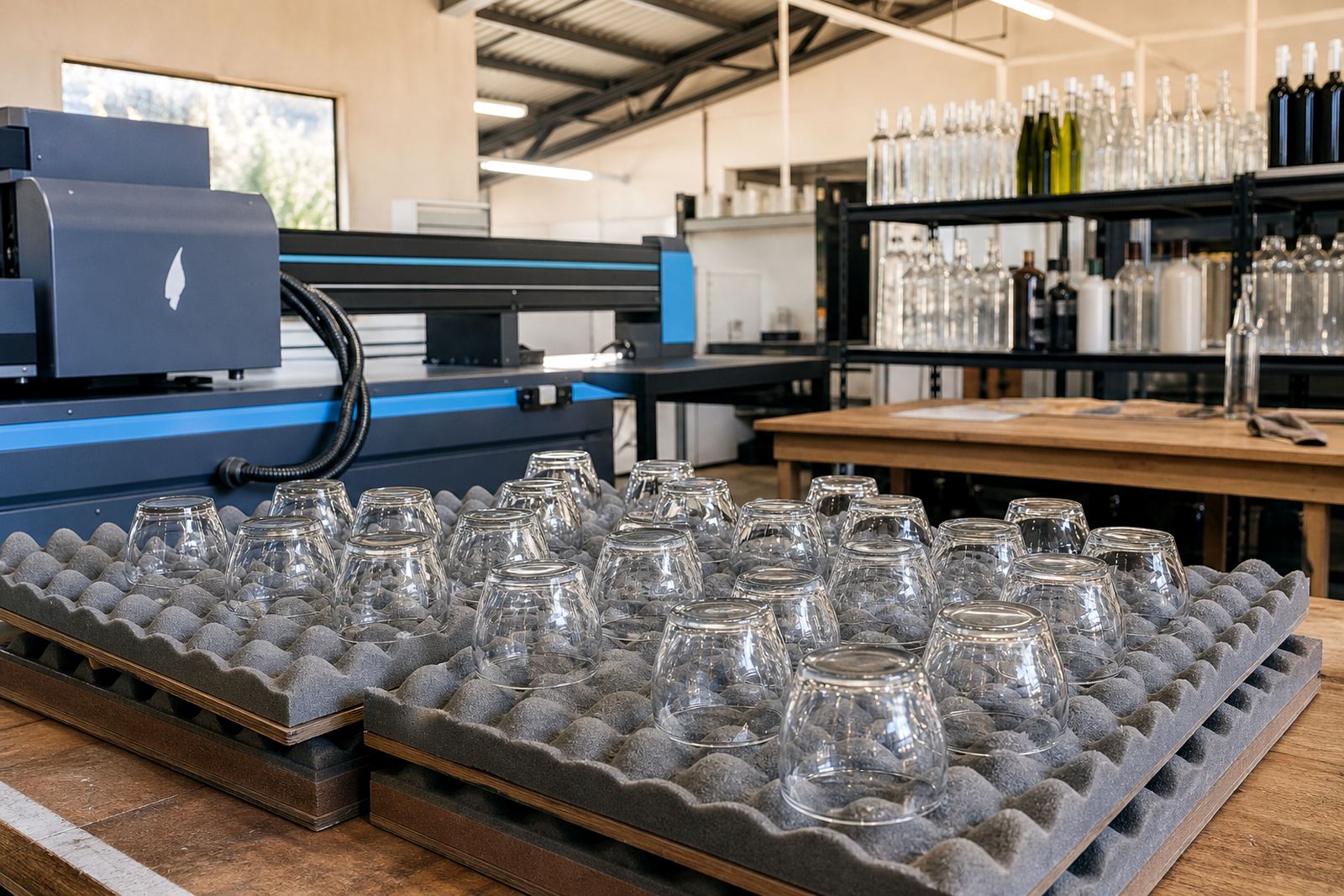
- Tumblers and stemless drinkware for event bars and tasting rooms
Glass colour matters too. Clear, flint and some tinted glass types can all work, but the ink colour, opacity and final fired look need to be checked against the base glass before the run is signed off.
Artwork that survives the kiln
Ceramic enamel decoration needs artwork that is built for heat, registration and surface movement. Fine lines can blur if they are too delicate, while small reversed text can fill in after firing. We look at line weight, solid areas, knockouts and the space around logos so the artwork reads well once it has been fired onto the bottle or glass.
Before production, the artwork is checked and a proof is prepared for approval. That proof shows placement, size and the practical limits of the shape, which helps avoid surprises when the first decorated sample is seen. If white ink layers are needed under a colour, that is planned too, because white changes how the final colour sits on clear or dark glass.
- Logo placement on the front panel or wrap position
- Colour guidance for glass tint and fired enamel tone
- White underprint planning for stronger colour holdout
- Mock-up visuals for curved bottles and drinkware
Minimum runs and the rhythm of short orders
Short-run work is where ceramic enamel needs careful planning. The setup time, kiln handling and decoration method can make a small order feel very different from a large one, so the minimum run has to suit the artwork, the shape and the packing plan. A tasting room order for 48 or 96 bottles is not the same as a distributor order for a few hundred, and the print method must fit the job rather than forcing the job to fit the method.
For event organisers and corporate gifting teams, that usually means deciding early how many bottles or glasses are needed per venue table, gift set or dispatch point. Packing brief details also matter, because decorated glass needs sensible separation, protective packing and a clear count per carton.
- Short runs for launches, tastings and private events
- Repeatable decoration for seasonal wine releases
- Practical carton counts for local and national delivery
- Artwork approval before the first production run starts
Paarl winery tasting bottle run
A small winery in the Cape Winelands may want branded water bottles for a seated tasting and a few matching gift bottles for guests. Ceramic enamel can suit that kind of brief when the bottle shape is stable, the artwork is not too fine, and the colour needs to hold its own against cold glass and table lighting. The same order might include logoed tasting glasses for the cellar door and a separate bottle layout for a premium release.
In practice, the process is part design work and part production discipline. The artwork is checked first, then the print area is planned, then the proof is reviewed against the actual bottle shape. That sequence keeps the job grounded in what the glass can carry, not only what the artwork looks like on a screen.
Packing and delivery for glassware orders
Decorated glass needs more care in packing than a flat printed item, especially when it is moving from Paarl to Cape Town, Johannesburg or Durban. Cartons need to match the bottle size, weight and breakage risk, and the packing brief should state whether the order is for cellar use, gift packs or event service. The handling point is simple: once the enamel has been fired and cooled, the finish is durable, but the glass still needs the right packing around it.
Delivery across South Africa calls for clear counts, sensible carton labelling and a clean handover of the approved artwork version. When that is sorted before dispatch, the order reaches the venue with less confusion and fewer rework questions at the receiving end.
- Paarl and nearby Winelands delivery for local production runs
- Cape Town, Stellenbosch, Franschhoek and Somerset West routes
- Johannesburg and Durban deliveries for national gifting and events
- Consolidated packing notes for mixed bottle and drinkware orders
When ceramic enamel is the better fit
Fired enamel is the better option when the branding must feel part of the glass and cope with repeated handling. It is a good fit for premium bottles, tasting room drinkware and branded presentation sets where the finish should look measured rather than temporary. For other jobs, labels or direct print may make more sense, but ceramic enamel earns its place when durability and a clean, permanent look matter most.
Our team in Paarl handles artwork checks, print area planning, colour guidance, white ink layers, proof approvals, mock-up visuals, label artwork setup, UV print prep, screen print prep, ceramic enamel prep, minimum run advice and packing briefs. For ceramic enamel glass work, the important part is matching the bottle, the artwork and the fired finish before the order moves forward.