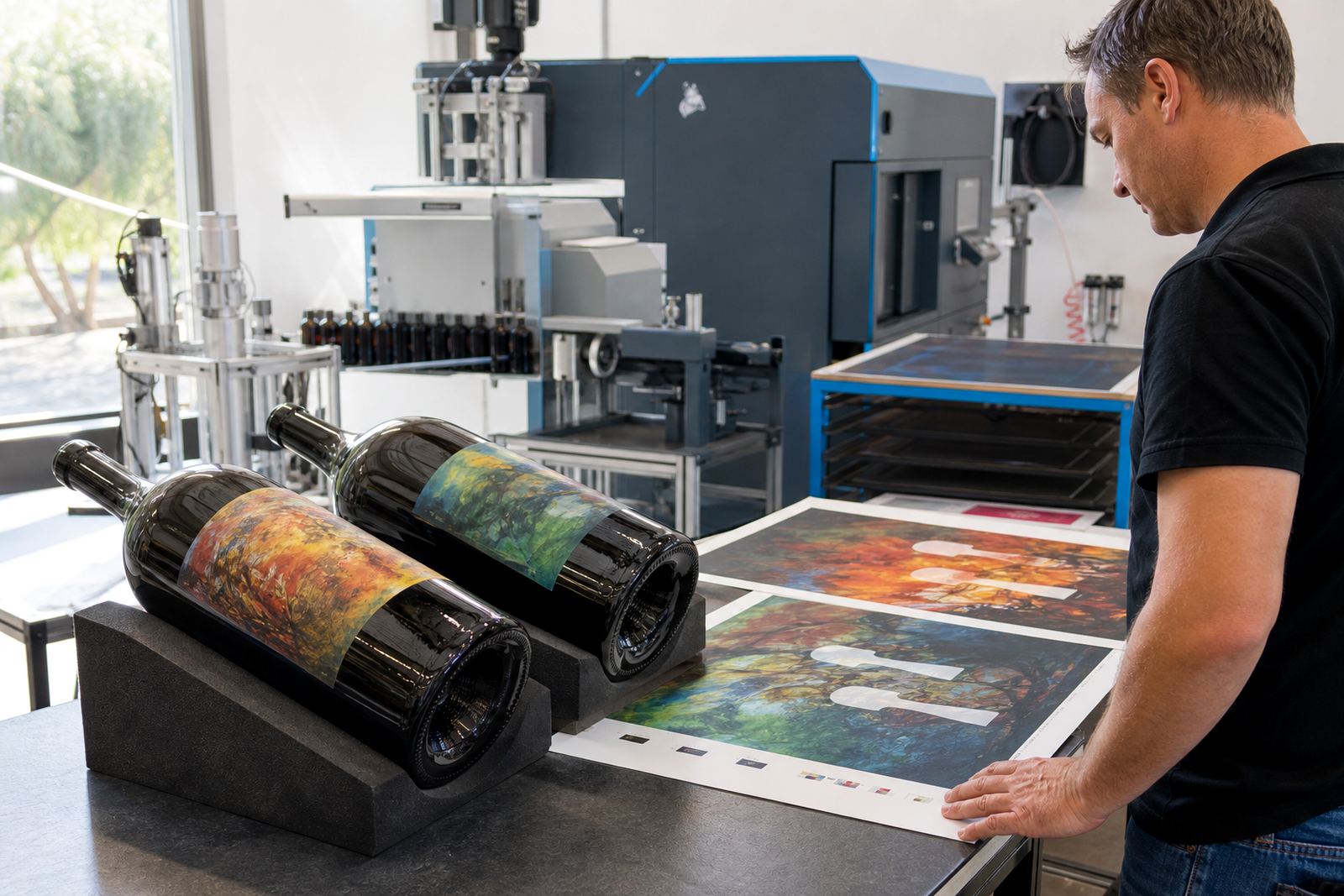
Big-format bottles with real shelf presence
A magnum is usually the 1.5 litre format, with some ranges also using 1.5 litre, 3 litre and larger celebration bottles for special releases. The wider body and taller shoulder give more space for labels, direct print artwork and foil touches, but the layout must be planned carefully so the bottle still looks balanced when it sits on a shelf or in a carton.
For premium wine launches, anniversary bottlings and corporate gifting, this size has strong visual weight without needing extra decoration on the pack. Glass finish matters here too, because clear, flint or darker glass changes how the printed colours read against the bottle. We work with short runs where the visual finish matters more than broad-volume production, and the artwork is checked before any run goes ahead.
- Typical format: 1.5 litre magnum, with larger presentation sizes available
- Suitable for still wine, sparkling wine and celebratory gift bottlings
- Works with plain glass, frosted effects and coloured glass bodies
- Artwork needs to suit a wider print field and a taller label panel
Decoration methods that suit magnum glass
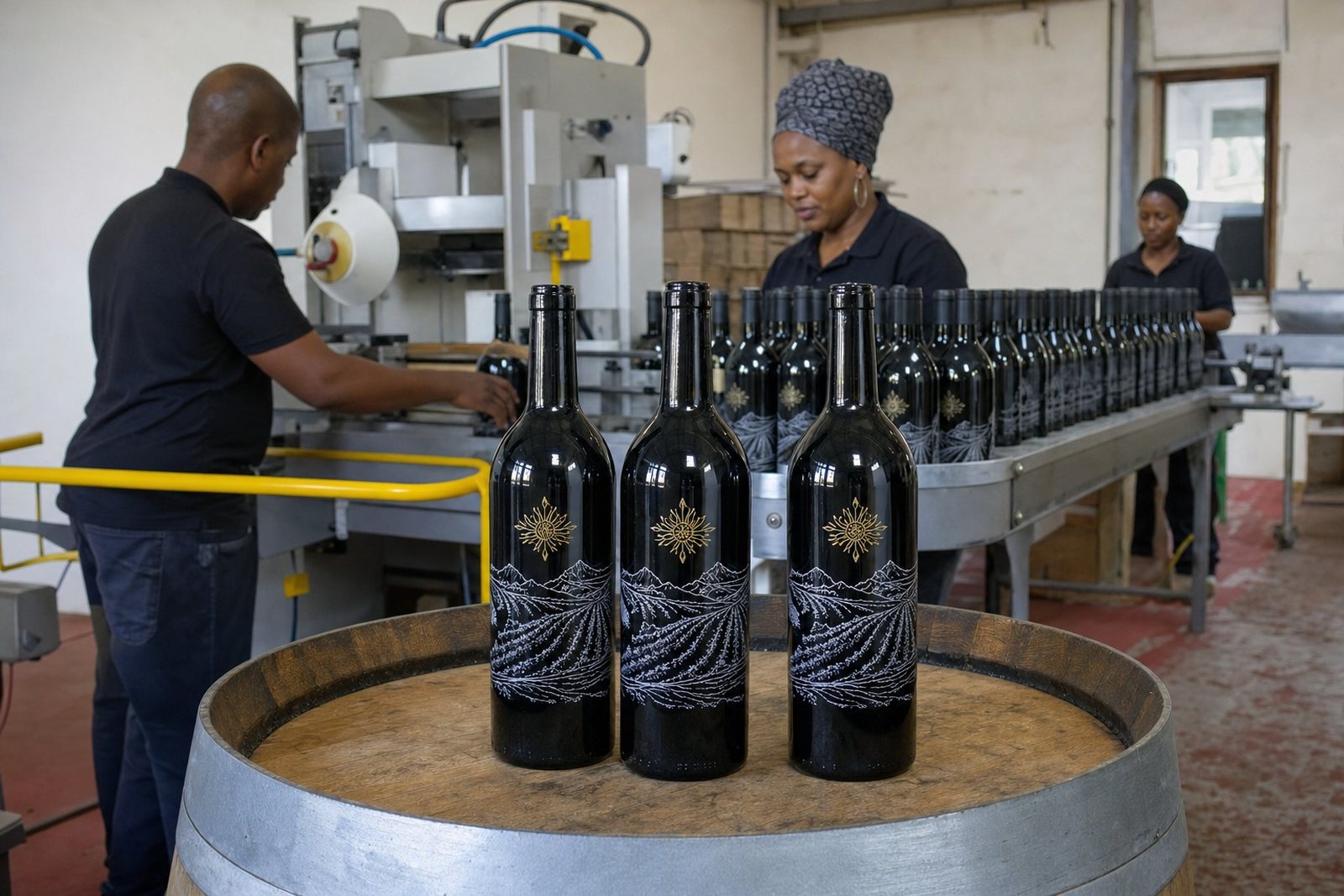
Magnum bottles can be decorated with UV direct print, screen printing, ceramic enamel and pressure-sensitive labels, depending on the glass type and the finish you want. UV direct print works well for crisp logos, text and colour blocks on smooth glass. Screen printing gives a solid ink layer and is useful where the artwork needs a firmer, more tactile finish. Ceramic enamel is fired onto glass for a durable, premium look, while labels remain practical for longer copy, variable information and mixed artwork packs.
Each method handles artwork a little differently, so the bottle surface and the print area need to be matched to the design before production starts. White ink layers are often used under colour on dark or tinted glass, and some projects need extra attention around curves, shoulders or embossed sections. If the bottle has a deep punt, a heavy shoulder or a long neck, those features affect where the print can sit cleanly.
- UV direct print for sharp artwork on smooth surfaces
- Screen printing for solid colour fields and strong opacity
- Ceramic enamel for a fired finish on suitable glass
- Labels for detailed copy, small runs and flexible layouts
Where magnums work best
This format suits special releases, cellar-door gifting, awards tables, launch events and premium hospitality packs. It also works well for distillery gifting where the bottle needs a ceremonial look, and for corporate hampers where one large bottle is more memorable than several small ones. In the Cape Winelands, magnums are often used for tasting-room displays, wedding gifting and year-end presentations, while coastal clients sometimes favour darker glass or heavier labels to handle humidity during storage and transport.
For event organisers, the size helps a branded bottle hold its own on long tables and photo moments. For wineries and distilleries, the format carries a strong sense of occasion without needing a complicated pack. The challenge is keeping the decoration practical, so the bottle still stacks, cartons neatly and moves through packing without scuffing.
- Limited releases and collector bottlings
- Celebratory gifting for weddings, awards and special occasions
- Corporate hampers and executive presentation packs
- Launch tables, tasting bars and cellar-door displays
Artwork, proofs and print area planning
Magnum artwork needs a careful setup because the bottle body is large, the curve is noticeable and the label zone can shift depending on the glass profile. We prepare artwork checks, print area planning and proof approvals before a run starts, so the design is set against the actual bottle size and finish. If the artwork includes fine serif text, bottle neck copy or small registration marks, those details need to be checked on a proof rather than assumed from a flat file.
Mock-up visuals help with proportion, especially when the bottle carries more than one decoration area. That can include a front label, a neck label, a back label or direct print panels. For short runs, minimum run advice matters because the most suitable method may differ between a handful of gift bottles and a larger presentation batch. Artwork setup also needs to reflect whether the bottle is going into a gift carton, a wooden case or loose shipping.
- Artwork checks against the bottle shape and print zone
- Proof approvals before the run proceeds
- Mock-up visuals for label balance and placement
- Minimum run advice based on the chosen method
Packing, transport and handling on site
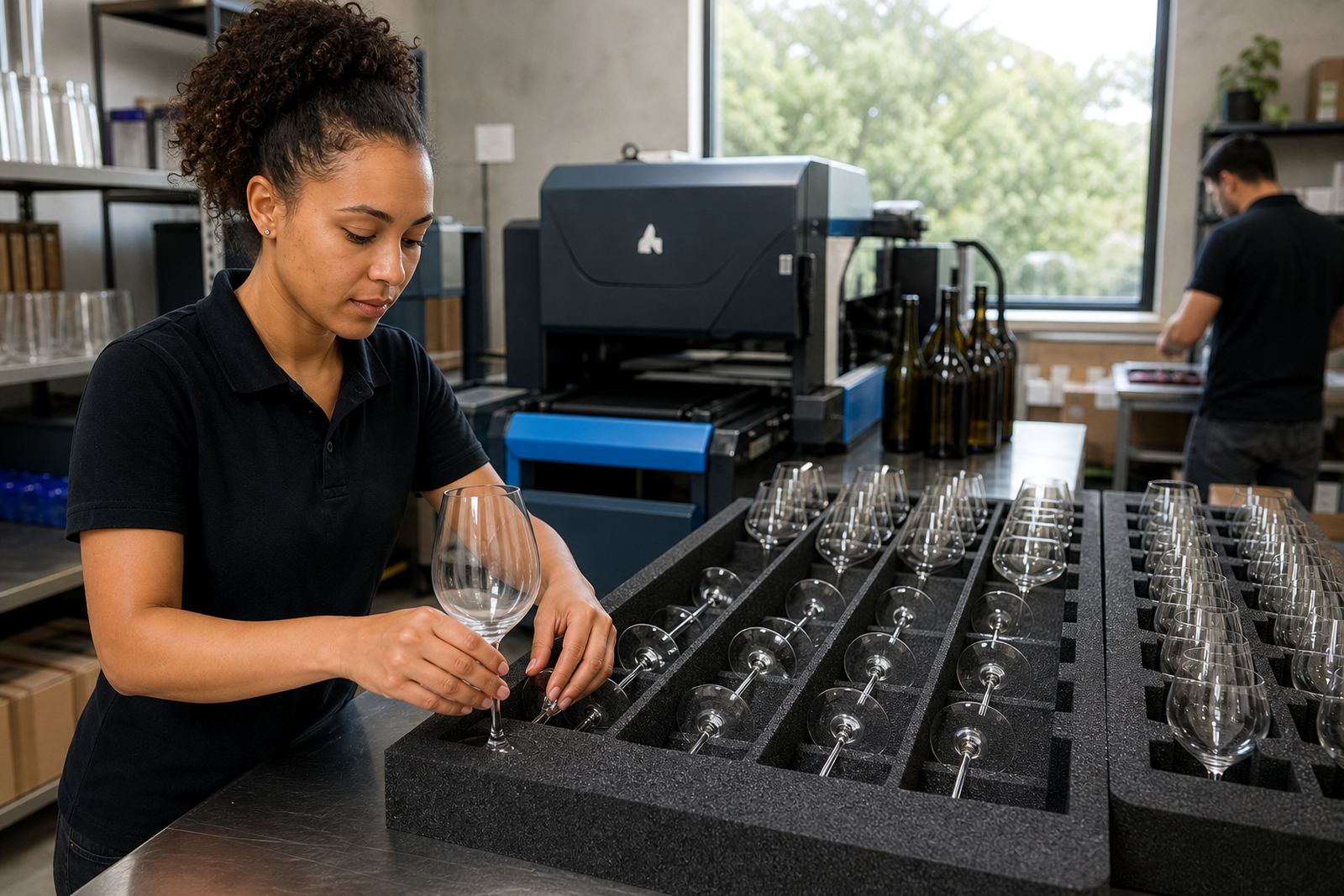
Magnum bottles are heavier and less forgiving than standard formats, so packing and movement need more care from the start. The base, shoulder and punt should be protected during packing, especially if bottles travel between Paarl, Cape Town, Stellenbosch, Franschhoek, Johannesburg or Durban. For bottle decoration work, the best result depends on how cleanly the bottles are packed, labelled and handled after print.
Where a project involves gift cartons, inserts or event packing, the packing brief should match the final destination. Bottles moving to humid coastal areas need packaging that keeps labels flat and dry, while higher-value presentation bottles may need extra separators to reduce rubbing. If the bottle is going into a display box, the neck height and shoulder width should be confirmed early so the finished piece sits properly.
- Check bottle weight, carton fit and separator spacing
- Allow for shoulder width and neck height in display packs
- Use packaging that protects labels in humid conditions
- Confirm whether loose packing or gift-box packing is needed
Care notes for printed magnum bottles
Printed glass should be handled with clean hands and stored away from abrasive contact, especially where the decoration includes fine lines or metallic detail. Labels need dry, even storage so edges do not lift before the bottle reaches the customer or venue. Ceramic enamel and screen printed surfaces are more durable than some label finishes, but all decorated bottles still benefit from careful stacking and sensible carton design.
If the bottle is being chilled before serving, condensation should be considered in the label choice and in the placement of any small text. For gift use, the outer pack matters too, because scratches on the bottle or pressure on the neck can spoil the presentation. A clean wipe with a soft cloth is usually better than harsh cleaning methods, and any post-print handling should avoid solvents near the decoration.
- Store bottles upright where possible
- Avoid abrasive cloths, scouring pads and harsh solvents
- Keep labels dry until the bottle is ready for use
- Choose decoration methods that match chilled serving conditions
Key facts
| Format | Magnum wine bottles, typically 1.5 litre, with larger presentation sizes by project |
|---|---|
| Decoration methods | UV direct print, screen printing, ceramic enamel and labels |
| Best suited to | Special releases, gifting, launches, events and premium presentation packs |
| Artwork support | Artwork checks, print area planning, mock-up visuals and proof approvals |
| Minimum runs | Set by decoration method, bottle type and artwork layout |
| Delivery areas | Paarl, Cape Town, Stellenbosch, Franschhoek, Johannesburg and Durban, with South African delivery |
| Bottle types | Wine bottles, sparkling bottles and selected drinkware formats for related gifting |