
Lightweight glass for short-run bottle work
Lightweight bottles are made to use less glass than heavy prestige formats, while still carrying labels, direct print or wrapped artwork neatly. In bottle decoration work, that matters because the wall thickness, shoulder shape and neck profile all affect how a design sits once it is on the glass.
For wine, gin and still water, these bottles are often chosen when the brief wants a clean presentation without the extra mass of heavier glass. They are common for short production runs, sample packs, hospitality gifts and event stock where handling and packing need to stay manageable.
- Suitable for clear, flint or lightly tinted glass
- Works with straight-sided and gently curved body shapes
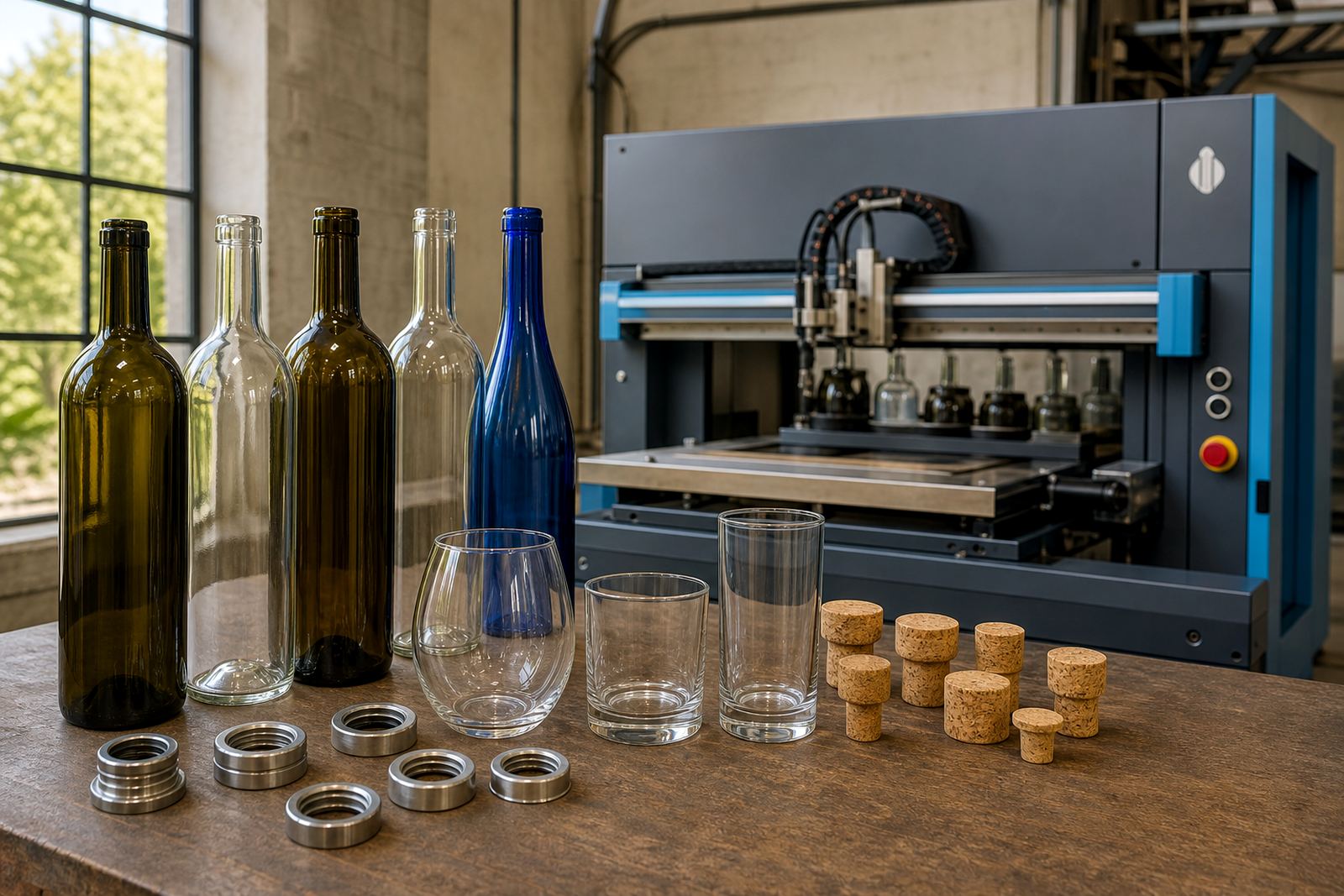
- Can be paired with caps, corks or closures matched to the bottle neck finish
- Useful where carton space and pack weight need to be kept reasonable
Sizes, shapes and finishing options
Lightweight bottles are usually supplied in common beverage sizes, with the shape chosen to suit the drink, the print method and the label panel available. For wine, that can mean standard 750 ml formats, smaller 375 ml or 250 ml presentation bottles, and select tall formats for water or gin. The exact body shape needs to be checked against the print area before artwork is approved.
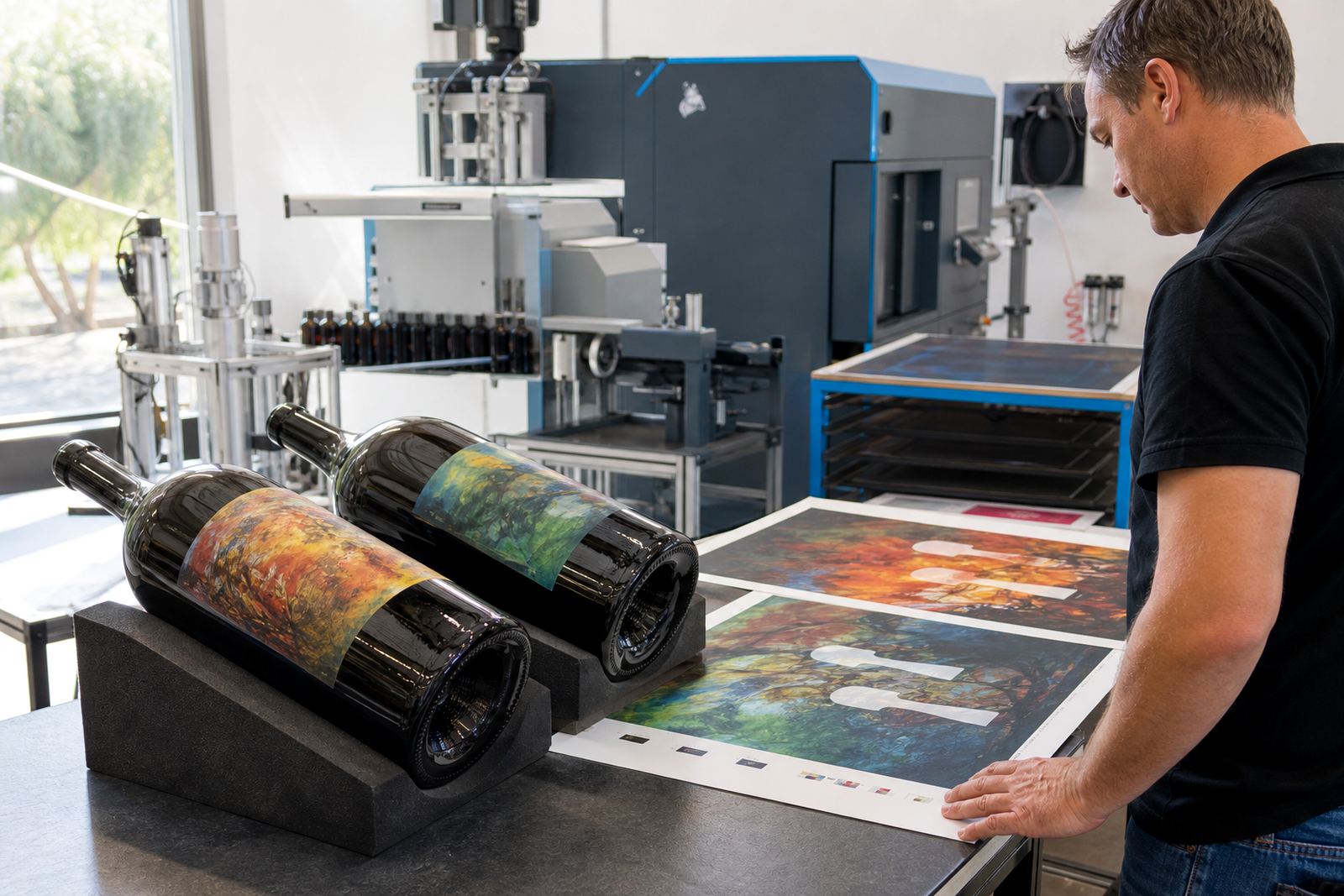
Decoration can be handled with UV direct print, screen printing, ceramic enamel or pressure-sensitive labels, depending on the surface and the number of colours in the design. White ink layers are often used on darker glass or on coloured sections where the artwork needs stronger contrast.
- Standard beverage sizes from small sampler bottles to 750 ml
- Round, fluted, square and slim-body profiles where available
- Clear, green and tinted glass options for different presentation styles
- Matt or gloss label stock, with shaped label cuts if required
Projects that call for lightweight bottles
These bottles suit wineries, distilleries and event teams that need a cleaner handling weight for packing, display and transport. They are also practical for corporate gifting, tasting table use and hospitality stock where a lighter bottle is easier to move, stack and present in mixed cases.
For coastal deliveries into Cape Town or Durban, the packaging plan should take humidity into account so labels stay flat and cartons hold their form. For inland drops to Johannesburg, the focus is often on secure packing and crisp print handling after transit.
- Wine and spirit gifting packs
- Event bars, launches and tasting tables
- Branded still water for functions and hospitality use
- Short-run product trials and seasonal promotions
Artwork, proofs and print area planning
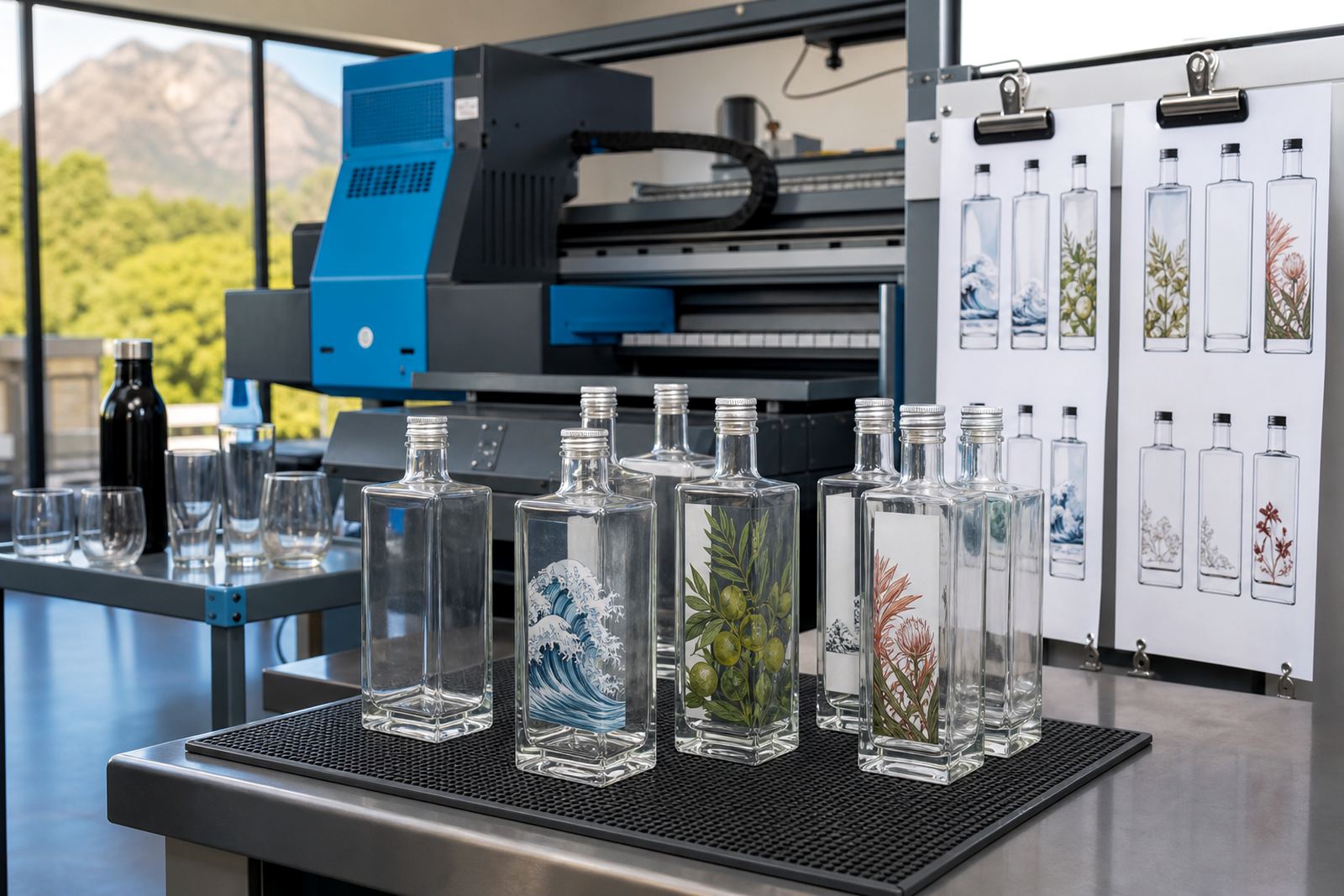
Lightweight bottles need proper artwork setup because the usable print area is often smaller than people expect. Shoulder curves, neck taper and seam lines can shift a logo or block of copy if the artwork is not mapped to the bottle first. Proofs help show how the mark will sit on the actual shape before production starts.
Artwork checks cover line thickness, colour build, white underbase use and the safe zone around closures and label edges. If a bottle needs screen printing or ceramic enamel, the design must also suit curing, registration and ink coverage across the curved glass surface.
- Print area checks for body, shoulder and front label panel
- Colour guidance for glass tint, white ink and solid blocks
- Mock-up visuals for position and scale
- Proof approvals before the run is released
Fitting, packing and handling on site
Most lightweight bottles are supplied for filling and closing by the client or their bottling line, with the closure type matched to the neck finish. That can include corks, screw caps or other closures suited to the drink and the intended shelf presentation. When the bottle is going into cartons, the pack brief needs to allow for inserts, dividers or wrap protection.
For short runs, careful handling matters because lighter glass can still chip at the neck or base if it is knocked in transit. Packing briefs should note whether the bottles are going into gift boxes, shelf cartons or loose case packs so the final count and arrangement stay correct.
- Check neck finish before the closure is set
- Match the fill volume to the bottle capacity
- Confirm carton count, divider style and pack orientation
- Specify whether bottles must arrive for direct print or labelled supply
Care, storage and order details
Glass bottles should be stored upright on clean, dry pallets away from heavy dust and moisture. Printed bottles, especially those with labels, need calm handling once packed so the finish is not marked before they reach the cellar, tasting room or event site. For coastal storage, that means watching humidity in the packing area and keeping cartons off the floor.
When placing an order, send the bottle size, glass colour, closure type, decoration method and the number of units needed. Please note whether the run is for wine, gin or water, and whether the bottles need artwork support, proof approval, mock-up visuals or a label artwork setup before production.
- Bottle size and target fill volume
- Glass colour and body shape
- Decoration method and number of print colours
- Quantity needed for the run
Key facts
| Product | Lightweight bottles for wine, gin and water |
|---|---|
| Common sizes | 250 ml, 375 ml, 750 ml and selected tall formats |
| Glass options | Clear, green and tinted glass |
| Decoration methods | UV direct print, screen printing, ceramic enamel, labels |
| Typical uses | Gifting, tasting, events, hospitality and short-run retail packs |
| Support included | Artwork checks, mock-up visuals, proof approvals and pack briefs |