Sparkling glass with more going on than a flat bottle
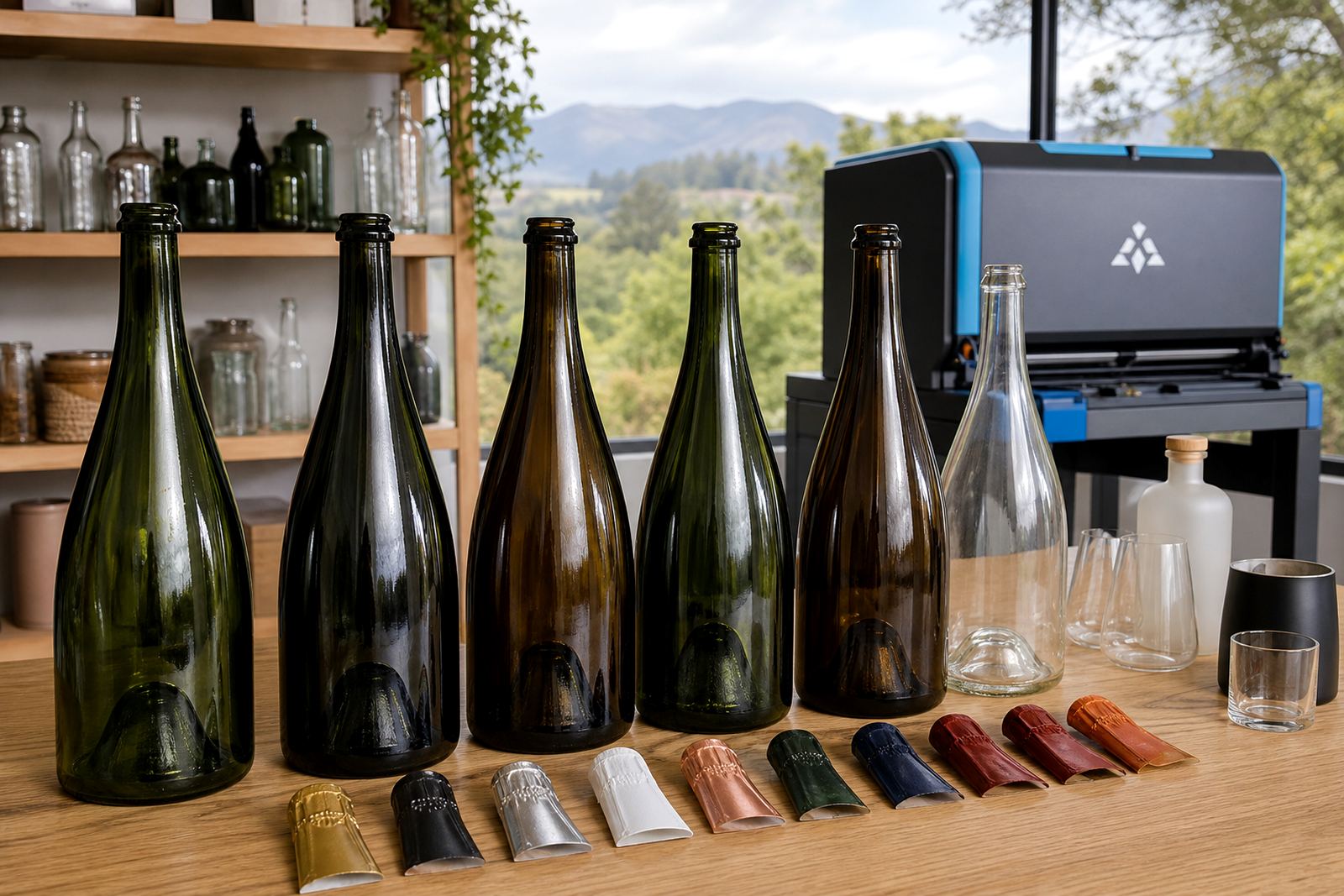
Sparkling wine bottles are not handled like plain still wine bottles. The glass is usually heavier, the body can carry more curve and the punt at the base takes up space that affects where artwork can sit. Foil neck wraps, capsules and labels all need space to breathe, so the print area must be mapped against the real bottle rather than a generic outline.
For this product, the decoration can sit on the body, shoulder or neck area depending on the bottle profile and the finish you want. Clear glass gives a clean look for white ink and strong colour work, while darker or tinted glass can need more careful colour planning so the artwork stays readable after filling and chilling.
- Common bottle sizes include 750 ml, magnum and small promotional formats.
- Typical finishes include clear, frosted, green and amber glass.
- Foil and capsule areas need to stay clear of print where the neck carries extra wrap.
Decoration methods used on sparkling bottles
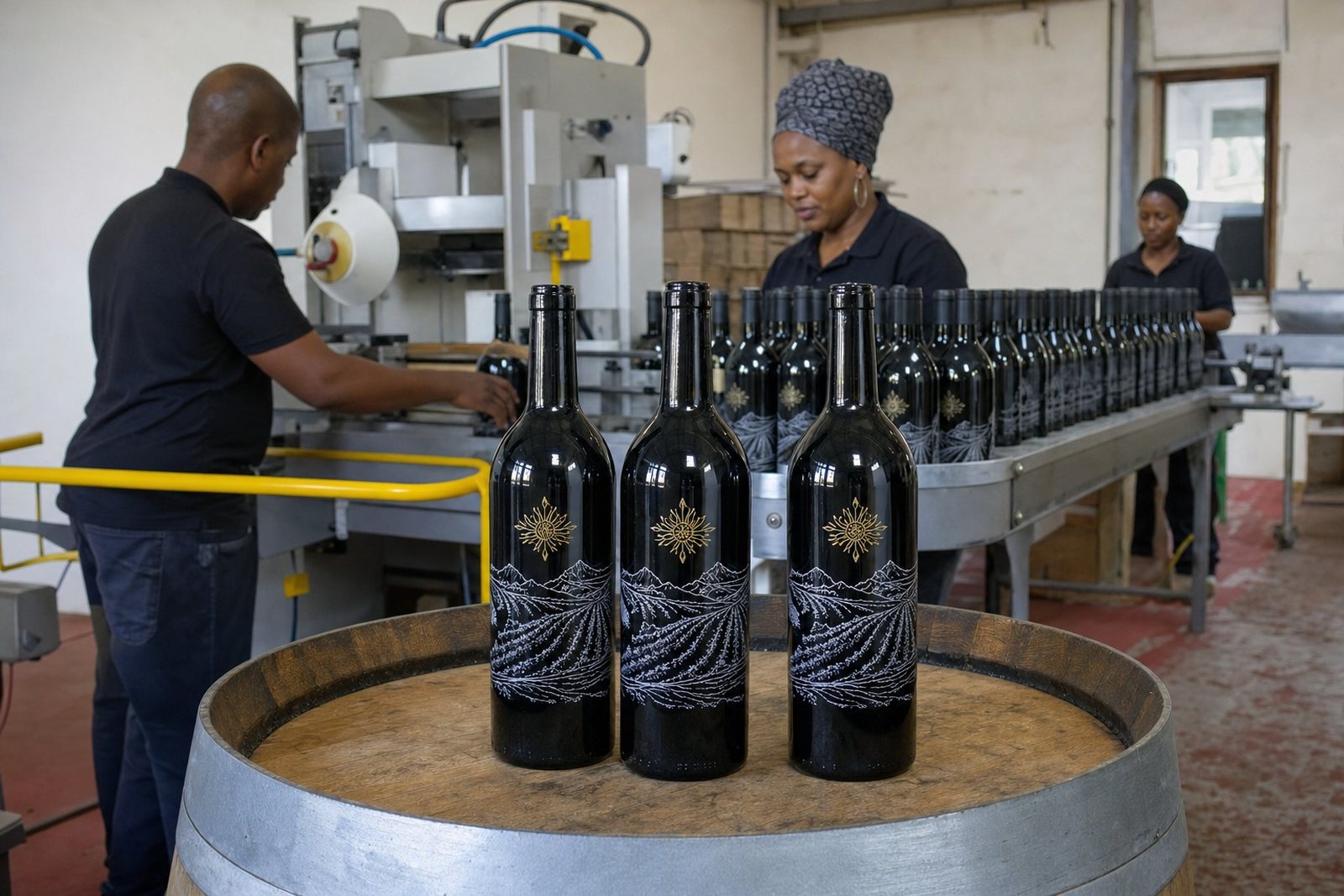
UV direct print suits short runs where sharp detail, fine text and solid blocks of colour must sit directly on the glass. It is useful for limited editions, event bottlings and branded gifting sets where the artwork needs a neat applied look without label overlap.
Screen printing is often chosen when a stronger ink layer or a more traditional bottle finish is needed. Ceramic enamel is used when the brief calls for a fired finish with better resistance to handling and chilling, and it is suited to bottles that will move through cold rooms, ice buckets and busy serving points. Labels remain useful where the design changes often, where ingredient or regulatory text must stay flexible, or where the bottle profile makes direct print less practical.
- UV direct print for short runs and detailed artwork.
- Screen printing for bold branding and controlled ink coverage.
- Ceramic enamel for a fired finish on glass bottles.
- Pressure-sensitive labels for variable artwork or longer text.
Common requests for sparkling bottles
This product suits wineries, cellar-door retail, luxury gifting, conference packs and launch events where the bottle itself carries the message. A sparkling bottle often travels further than the box it sits in, so the print has to work in photographs, on tables, in chilled displays and under mixed light.
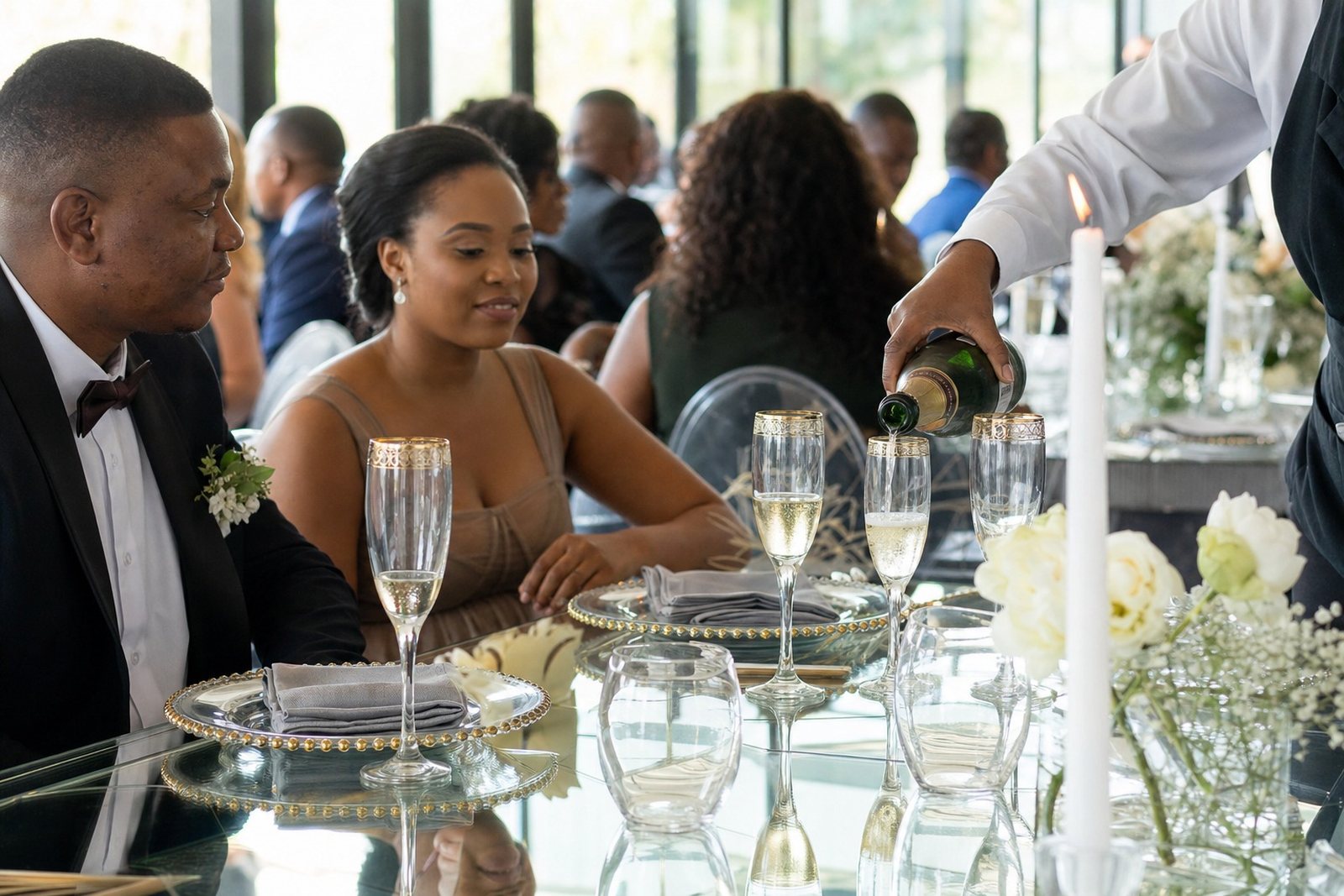
For wedding bars, year-end functions and corporate awards, the bottle may be seen before it is opened, then again on the table after pouring. That means the main mark needs to sit where the eye lands first. If the bottle will be photographed in groups, the artwork should hold its shape from a few angles and not vanish behind foil seams or the curve near the shoulder.
- Cellar-door retail and tasting room gifting.
- Seasonal releases and reserve bottlings.
- Corporate presents, launches and event tables.
- Tourism packs and hospitality gifting.
Artwork, proofs and print area planning
Every sparkling bottle job starts with the artwork mapped to the actual print area. The pont depth, shoulder slope and foil zone need to be checked before the file is locked in, because a mark that looks balanced on a flat layout can sit too high or too low on the bottle. If the bottle has a narrow neck or a deep punt, the print may need to be trimmed or shifted so it lands cleanly once the bottle is filled and finished.
Proofs are used to show placement, size and colour direction before the run goes ahead. If the bottle needs white ink underlay, that layer is planned early so transparent glass does not wash the design out. Small text, line weights and metallic-looking artwork are also checked at proof stage, since those elements can move or soften depending on the method chosen.
- Artwork checks for curve, height and wrap position.
- Mock-up visuals for placement on the real bottle profile.
- Proof approvals before production starts.
- White ink layers where glass colour needs extra opacity.
Minimum runs and short-run planning
Short runs are often the right fit for sparkling bottles, especially when the release is limited or the client is testing a new label and bottle combination. The minimum run depends on the decoration method, the number of colours, the size of the print area and whether the bottle needs separate setup for neck, body or secondary marking. Some jobs are best kept tight for event use, while others need enough volume to cover trade tastings, retail shelves and gift packs.
Short-run planning also matters when different bottle sizes are mixed in one project. A 750 ml bottle may take one layout, while a magnum or small-format bottle needs its own placement and sometimes a different approach to the artwork. Packing briefs help keep mixed cartons organised, especially when deliveries go to Cape Town, Stellenbosch, Franschhoek, Johannesburg or Durban.
- Minimums vary by method and artwork complexity.
- Mixed bottle sizes may need separate print layouts.
- Packing notes help with split deliveries and event sets.
Care, handling and ordering details
Printed sparkling bottles should be handled with clean, dry hands and stored where the artwork will not rub against rough carton edges. If the bottles are chilled before service, the decoration should be allowed to settle fully after print and packing. Labels need straight application and clean surface prep, while direct print and ceramic enamel need correct handling during curing, drying or firing stages.
When ordering, it helps to confirm bottle size, glass colour, finish, neck wrap, print area and the kind of artwork you want to use. Our team also needs to know if the bottles will be gift packed, chilled for service, or stacked for transport, since those details guide placement and packing. For sparkling wine bottles, the foil area and the punt depth are worth confirming early, along with whether the final look should be bold, subtle or suited to a premium release.
- Bottle size and glass colour.
- Foil, capsule or neck finish details.
- Decoration method and number of print colours.
- Delivery city and packing format.
Key facts
| Product | Sparkling wine bottle decoration |
|---|---|
| Bottle sizes | 750 ml, magnum and selected small formats |
| Decoration methods | UV direct print, screen printing, ceramic enamel and labels |
| Finish options | Clear, frosted, green and amber glass |
| Use cases | Wine releases, gifting, events and hospitality |
| Service area | Paarl with delivery across South Africa |