Small-format bottles with a proper branded finish
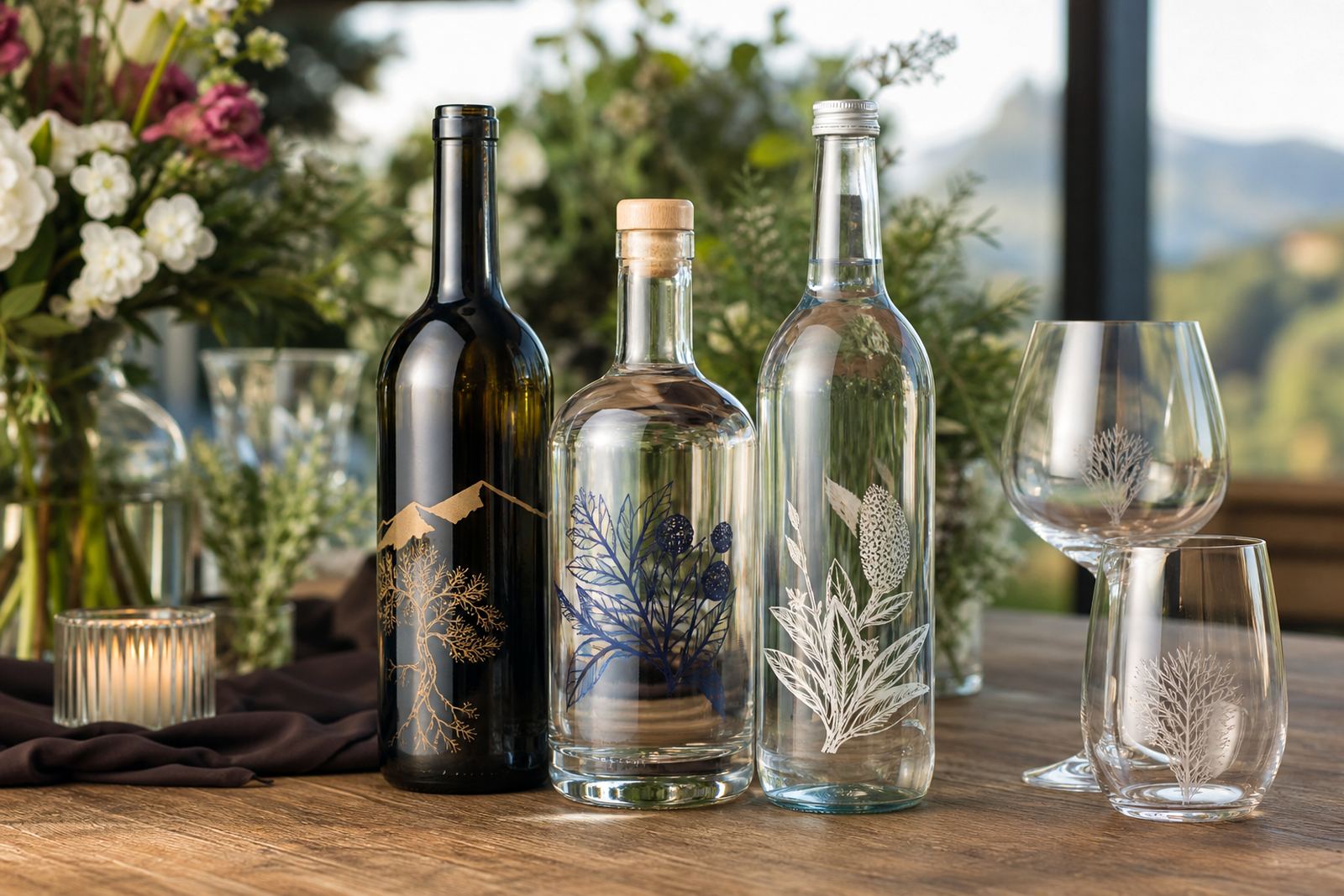
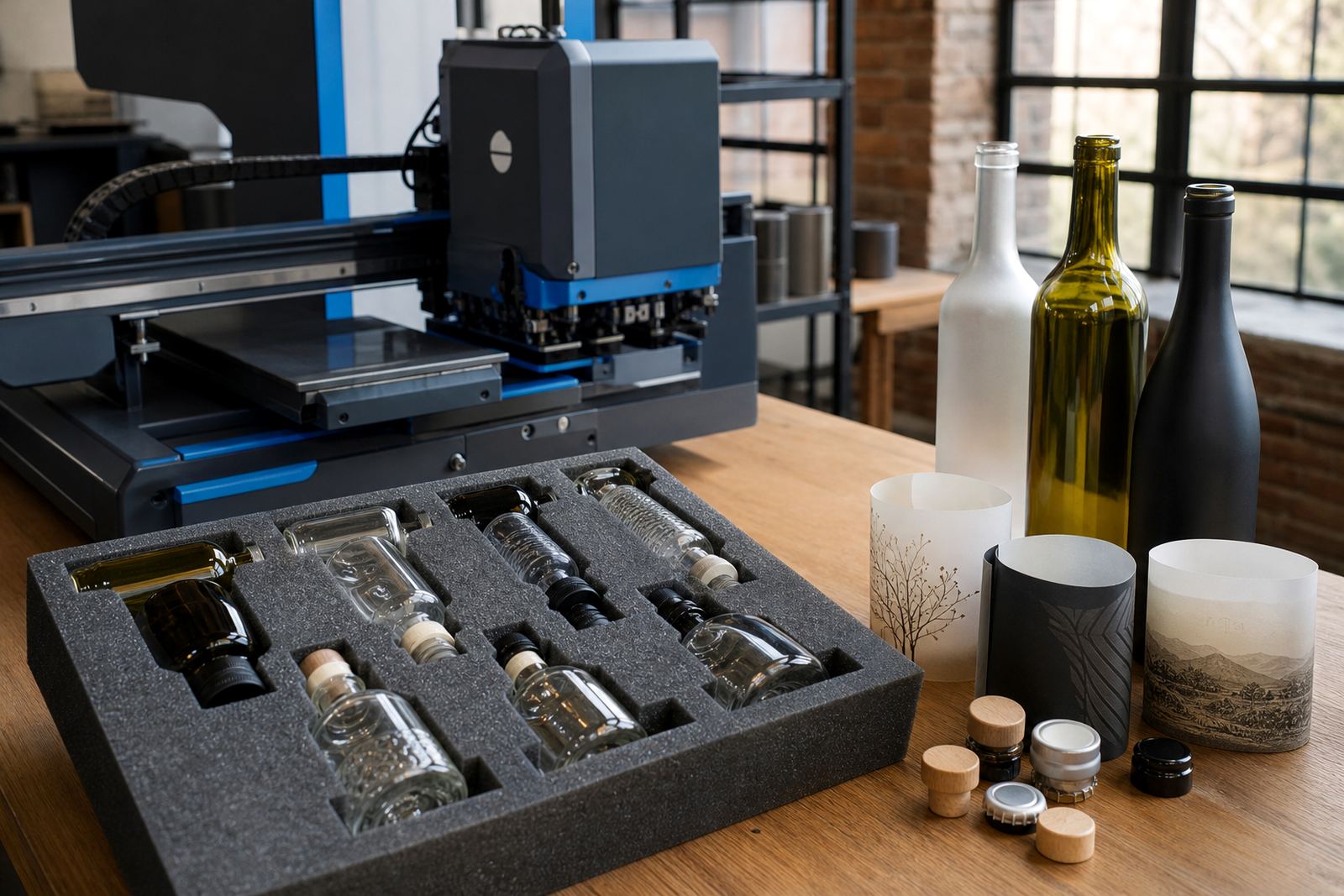
Sample bottles are used when the full retail bottle is not the job. They suit tasting portions, trade samples, launch packs and corporate gifts where presentation matters and the bottle still needs to feel finished, not rushed. In our work, that usually means glass bottles or drinkware in smaller formats, with decoration placed to suit the shape, shoulder curve and label panel available.
We work with short runs and mixed requirements, so the practical side matters. A sample bottle may carry a single logo on the front, a wrap label, a neck mark or a measured print band for tasting notes. When the bottle is going into a pack, the print area must be planned against the carton, stopper or cap, because a crowded layout looks careless once the bottle is boxed.
- Short-run branding for tasting kits and sample packs
- Glass bottle formats for wine, gin and water samples
- Drinkware options for event pours and corporate gifting
- Front mark, wrap label or multi-position decoration
Bottle sizes and formats that suit tasting work
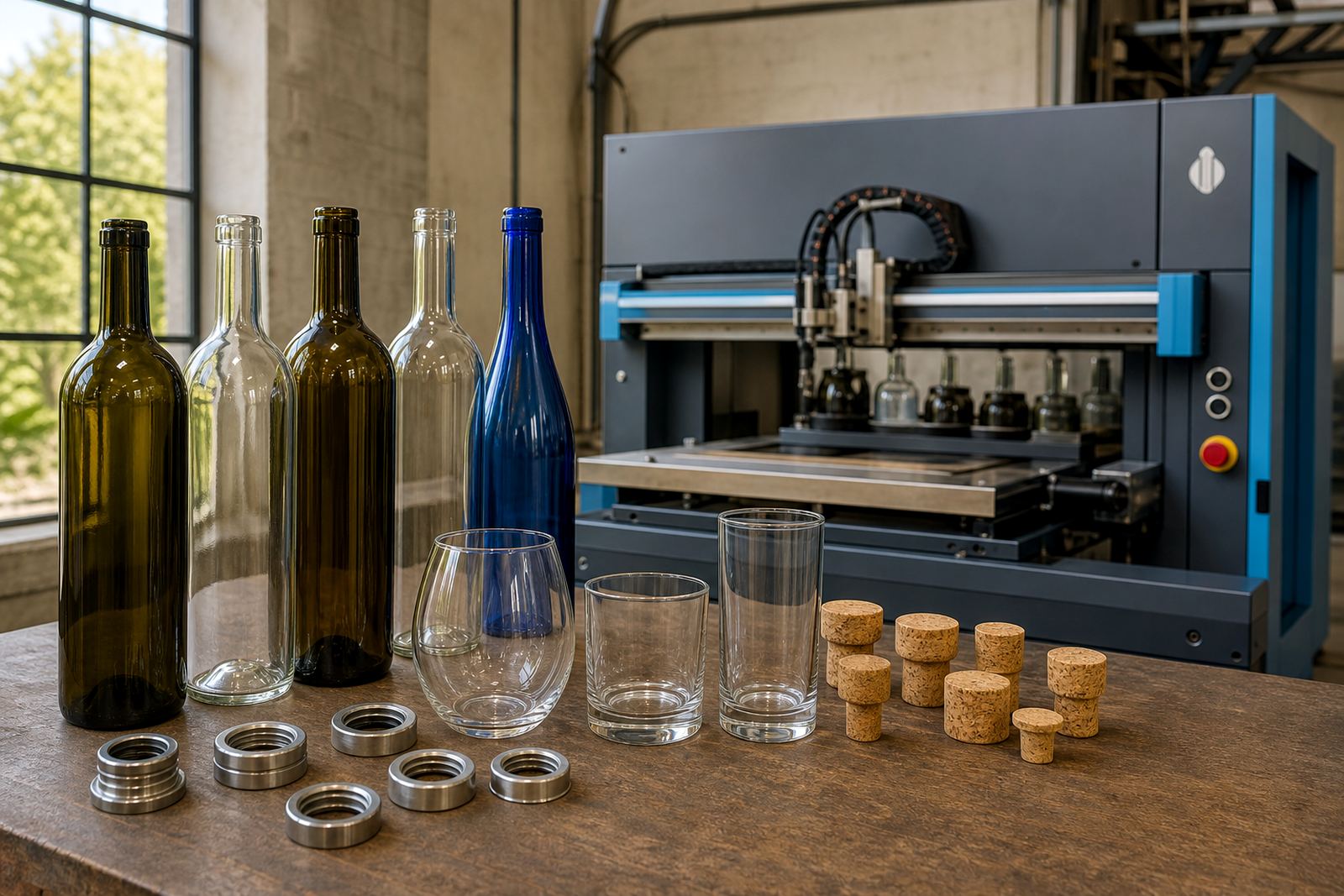
Sample bottles are normally specified by the fill size and the neck finish, then matched to the print method. Common formats include slim wine samples, small gin bottles, compact water bottles and miniature drinkware that travels well in a box or tray. The shape affects print placement, especially where the glass tapers fast or the shoulder leaves a narrow print zone.
For tasting sets, 50 ml, 100 ml, 187 ml and 375 ml formats are often considered, depending on the brief and pack layout. We also work with glassware such as small tumblers and tasting glasses where the decoration needs to sit below the rim and away from contact points. If the bottle will be handled often, the finish needs to be considered against scuffing, washing and packing friction.
- 50 ml and 100 ml sample bottles for kits and giveaways
- 187 ml and 375 ml formats for tasting and trade presentation
- Clear, flint and tinted glass options where available
- Small drinkware and tasting glasses for branded sets
When a pack includes several bottle sizes, artwork spacing should stay consistent so the set looks planned rather than mixed from separate jobs. That helps when the same brand needs to appear across wine, gin and water samples in one presentation box.
Decoration methods for glass, labels and drinkware
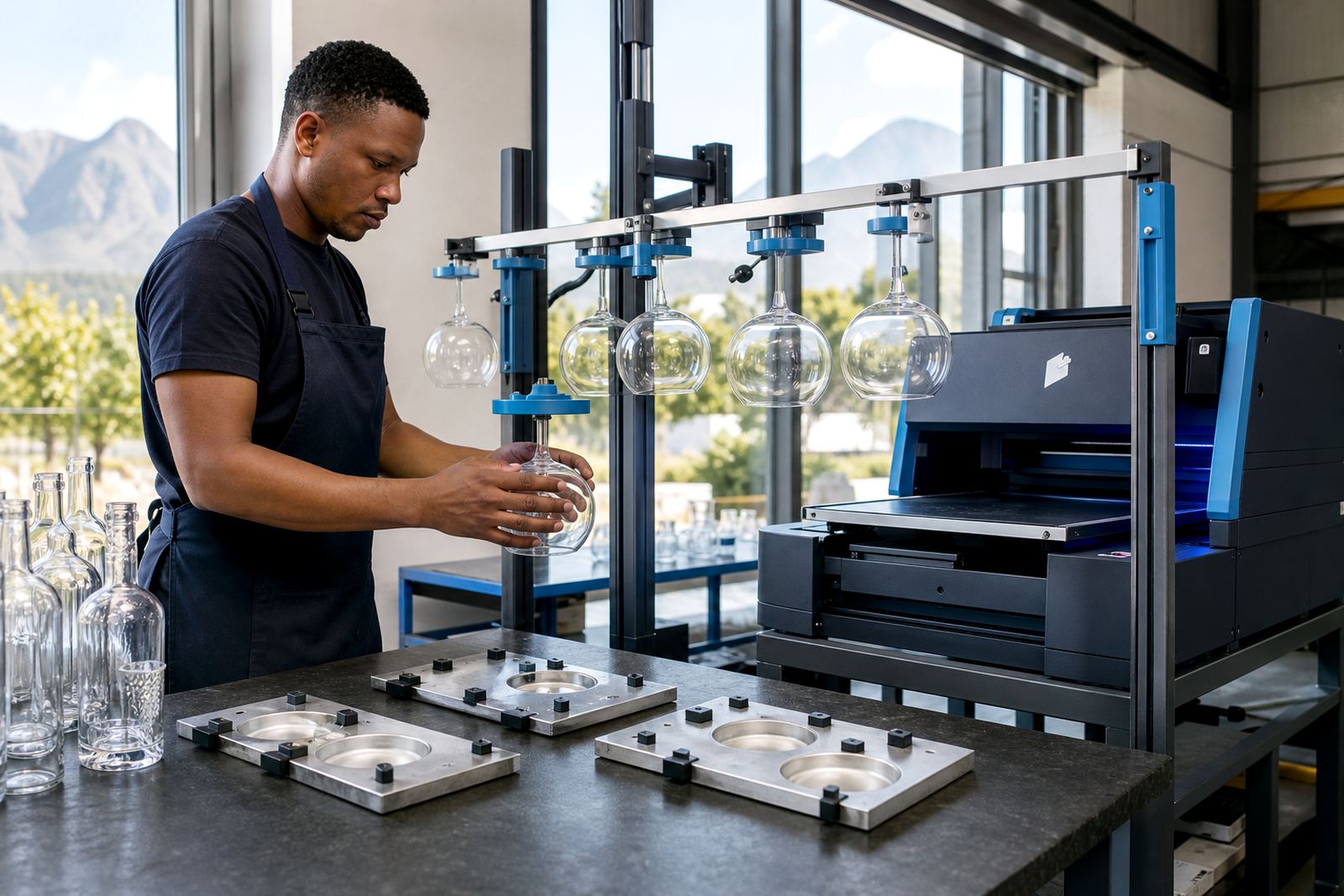
The right decoration method depends on the glass, the run size and the amount of colour in the artwork. UV direct print is useful for crisp logos, fine text and short runs on flat or gently curved surfaces. Screen printing suits solid brand blocks and heavier ink coverage, while ceramic enamel is chosen where a fired finish is needed for durability on suitable glass. Labels work well when the bottle shape is awkward, the print area is small, or the artwork needs more detail than direct print allows.
On sample bottles, white ink layers can make logos stand out on coloured glass or dark liquids. Matte and gloss looks are both possible, but the finish should match the use of the bottle, whether it sits in a trade tray, a tasting counter or a presentation box. If a bottle is going to be chilled, handled and repacked, label stock and adhesive should be set with that use in mind.
- UV direct print for short runs and detailed artwork
- Screen printing for strong colour blocks and simpler marks
- Ceramic enamel for fired decoration on suitable bottles
- Labels for complex artwork, variable data or shaped bottles
Artwork checks are part of the job because bottle curves, seam lines and closures can affect the finished look. A print that reads clearly on a screen may sit too close to a curve on glass, so the artwork has to be checked against the actual bottle dimensions.
Where sample bottles fit into real jobs
Sample bottles work well for trade tastings, launch packs, visitor gifts and event handouts where the bottle must look sharp at close range. They are also used for couriered sample packs that travel between regions, or for hospitality teams sending a compact product set to a buyer or event organiser. In wine and gin work, the bottle often carries the first impression before the liquid is even tasted.
For corporate gifting, sample bottles can sit with printed sleeves, inserts or a carry carton. At events, the same bottle may go from cold storage to a service tray, so we choose the bottle and decoration method together to keep the print intact.
- Trade tasting kits for wineries and distilleries
- Client gifting packs and presentation boxes
- Event sampler bottles for controlled pours
- Travel-friendly packs for courier delivery and hand delivery
Delivery across South Africa is part of the service, including Cape Town, Stellenbosch, Franschhoek, Johannesburg and Durban. For local and out-of-town orders alike, packing needs to protect labels, print faces and closures so the bottle arrives looking like it should.
Artwork checks and proof approval before print
Sample bottles need tighter artwork control than many people expect because the print area is small and the bottle shape can pull the eye off centre. We check the artwork against the bottle dimensions, the decoration method and the intended print position. That includes logo size, text legibility, white ink requirements and any wrap or repeat pattern that must land cleanly around the glass.
Before a run is released, a proof is prepared for approval. That proof shows placement, colour intent and any notes needed for print or label setup. If the artwork has to be adjusted for a neck curve, shoulder slope or label width, those changes are set out before production starts so the finished bottle matches the brief more closely.
- Artwork checks for curve, seam and print area limits
- Proofs for placement, colour and text clarity
- Mock-up visuals for sampled layouts and pack fit
- Label artwork setup where the bottle shape needs it
Print area planning is useful when the same artwork must work across more than one bottle size. A mark that sits neatly on a 187 ml bottle may need to be reduced or shifted for a smaller sample bottle, especially where the neck finish or shoulder shape changes the available space.
Packing, fitting and handling on the finished bottles
Sample bottles usually need some form of fitting or pack integration, even when the bottle itself is already decorated. Closures, neck wraps, carton inserts and tray spacing all affect how the final set looks and travels. If labels are used, the surface must be clean and dry before application, and the bottle should be handled carefully during packing so the adhesive and print face are not marked.
When the job includes drinkware, the fitting details matter just as much. Glass needs to sit square in a pack, and printed areas should not rub against dividers or foam during transport. For runs that include several bottle types, we set the packing brief around bottle height, diameter and closure type so the pack holds together properly.
- Closures and neck finishes matched to the bottle format
- Pack inserts measured to the bottle diameter and height
- Label adhesion and cure time considered before packing
- Print face protection for courier and hand delivery
Bottle condition still matters. Dust, mould release and surface residue can affect print or label adhesion, so clean handling before decoration is important, especially on short runs where each bottle is visible in the final set.
Care notes for sample bottles after printing
Care depends on the decoration method and the bottle finish. UV printed bottles need careful handling to avoid scuffing on hard surfaces, while screen printed and ceramic enamel finishes should be treated according to the intended use and wash routine. Labels can lift if soaked for too long or scratched across the edge, so packing and cleaning should be done with the print face in mind.
For chilled bottles and drinkware, condensation can soften a poorly chosen label or show up handling marks on a glossy surface. Before use, keep bottles in a flat, dry storage area out of direct sunlight. If the bottles are part of a launch set or tasting sample pack, it helps to keep spare units from the same run for reorders or replacement in case a pack is damaged in transit.
- Store finished bottles dry and out of direct sun
- Avoid rough rubbing across printed or labelled areas
- Keep boxed sets upright where the pack allows it
- Use the same run details for future matching sets
When ordering sample bottles, confirm the bottle size, glass colour, closure style, print method, artwork file format and the number of positions needed. It also helps to note whether the bottles will be chilled, boxed, handed out singly or shipped in packs. Those details shape the print setup, packing brief and final finish.
Key facts
| Product types | Sample wine bottles, sample gin bottles, sample water bottles and small drinkware |
|---|---|
| Typical formats | 50 ml, 100 ml, 187 ml and 375 ml, depending on the brief |
| Decoration methods | UV direct print, screen printing, ceramic enamel and labels |
| Artwork support | Artwork checks, mock-up visuals, print area planning and proof approvals |
| Use cases | Tastings, trade kits, corporate gifting, event packs and courier samples |
| Service area | Paarl, Cape Town, Stellenbosch, Franschhoek, Johannesburg and Durban delivery |